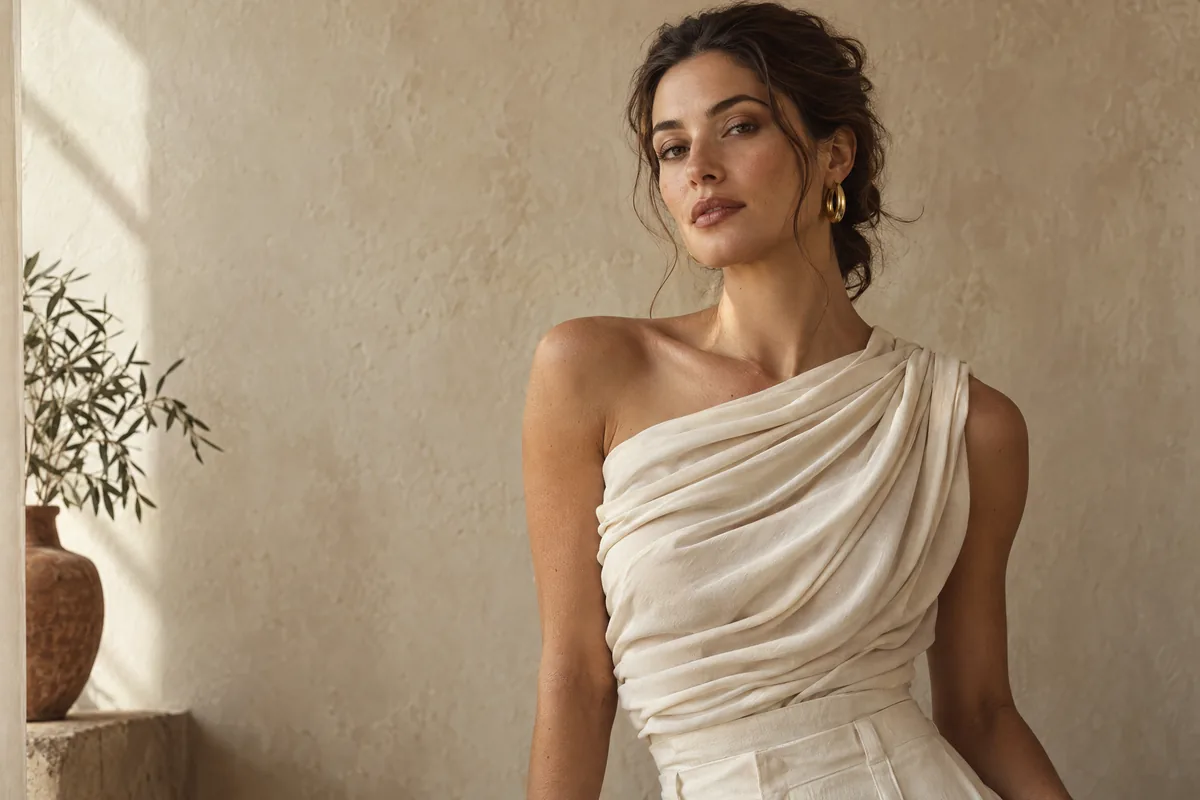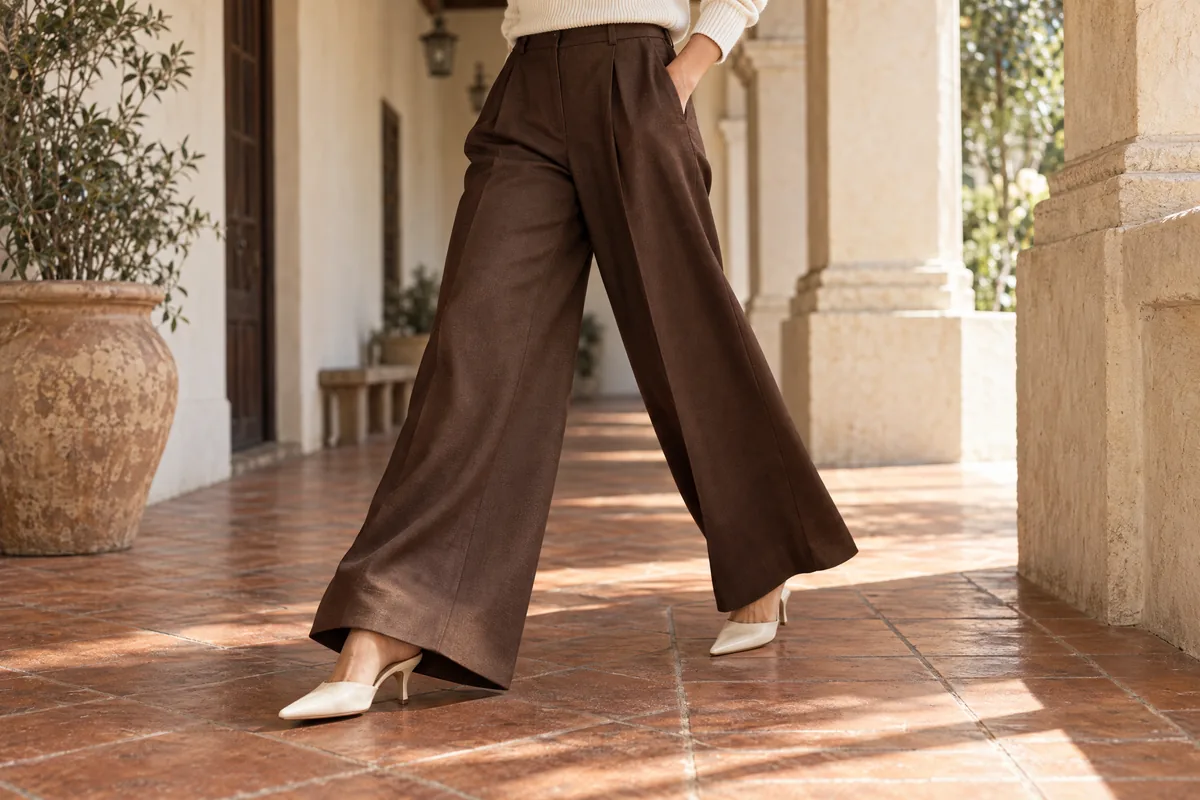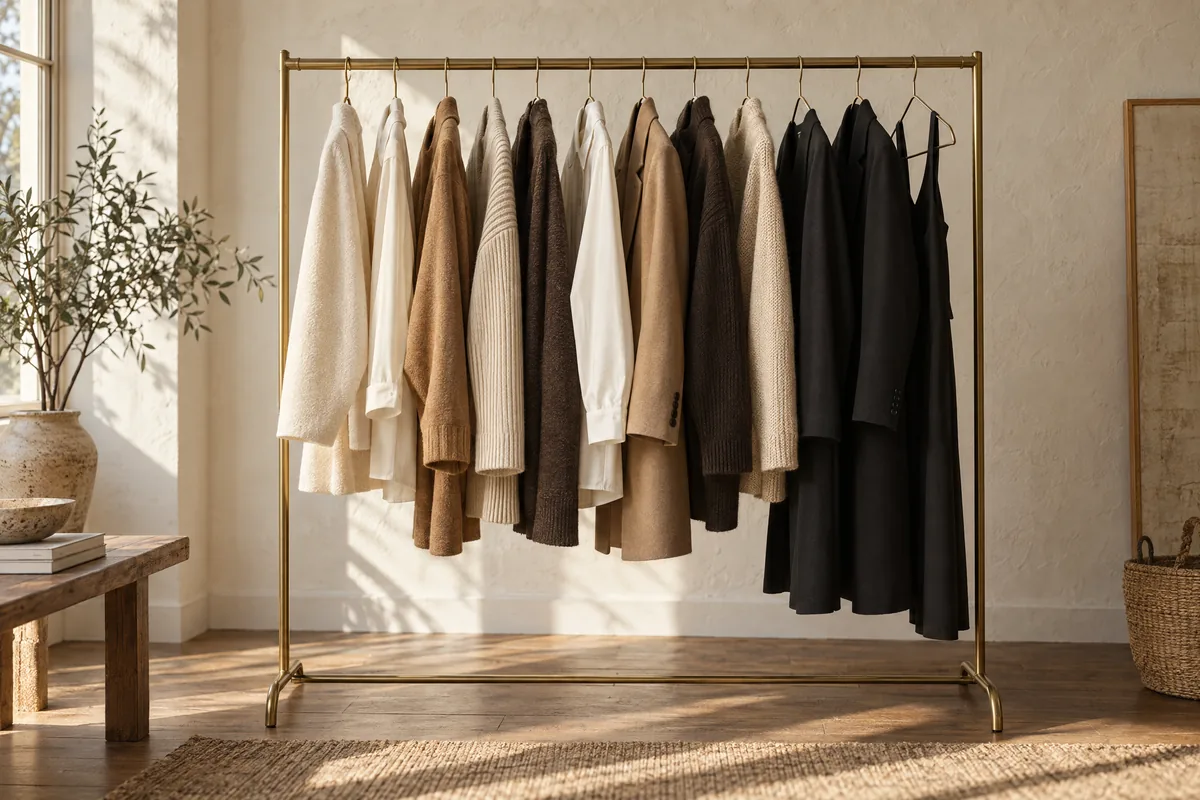
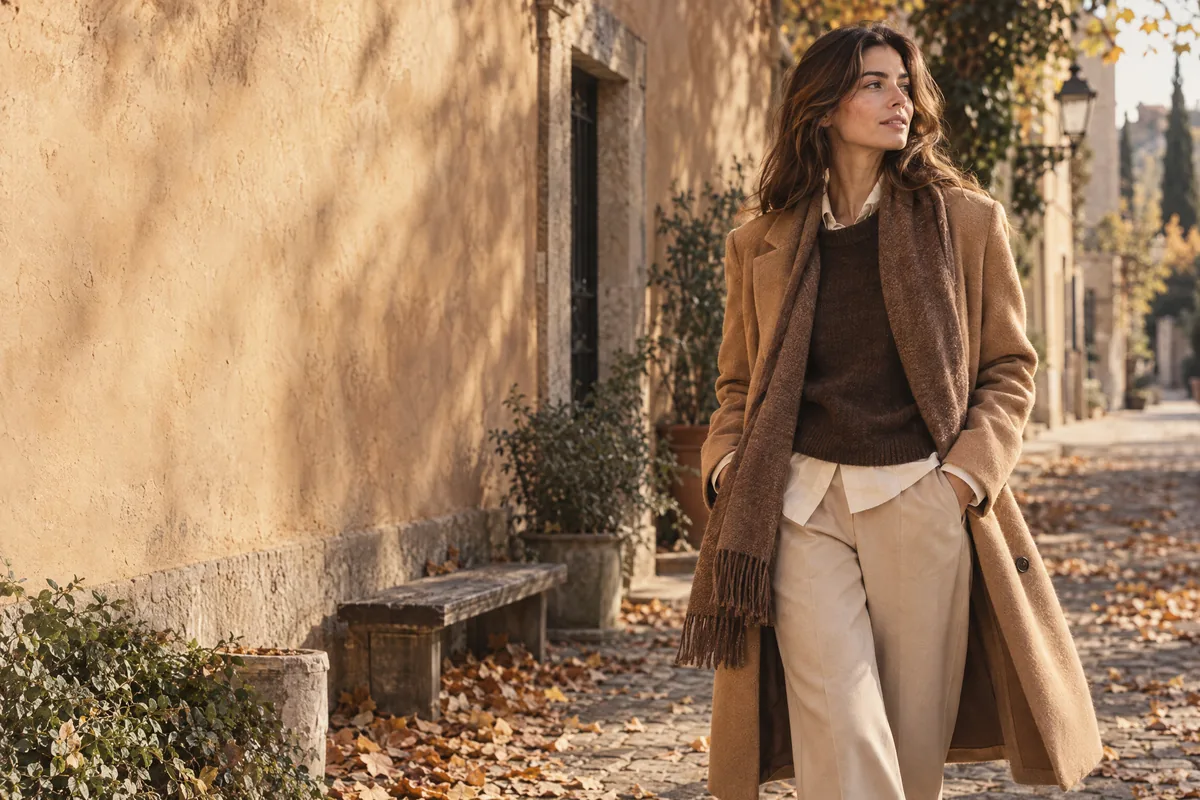
Learning how to layer outfits for fall makes getting dressed easier when the weather changes by the hour. The goal is not to pile on more clothing; it is to combine breathable, flexible pieces that look intentional whether you are indoors, outside, or moving through a full day.
The best fall outfits begin with a dependable base, add one layer for warmth or shape, and finish with a piece you can remove easily. Once you understand how to layer outfits for fall, your closet works harder and your seasonal looks feel more personal.
How to Layer Outfits for Fall: Start With a Smart Base
A strong base layer keeps the rest of your outfit comfortable. Choose a fitted tee, lightweight long-sleeve top, tank, bodysuit, or thin knit that sits smoothly under other pieces. It should feel good on its own in case the afternoon turns warmer than expected.
Think about proportion before adding anything else. A closer-fitting base balances relaxed denim, wide-leg trousers, or an oversized cardigan, while a looser blouse can look especially polished with slimmer pants or a structured skirt. Explore Tops & Blouses for versatile starting pieces that can move from simple to styled with one added layer.
Color also matters at this stage. Neutral bases such as cream, black, brown, gray, and soft white are easy to repeat, but a muted seasonal color can give your look personality. When deciding how to layer outfits for fall, let the base be the quiet foundation instead of competing with every piece on top.
- Choose a smooth, breathable base layer so sleeves and collars do not bunch under knits or jackets.
- Tuck a fitted tee into high-rise bottoms to create a defined waist before adding volume on top.
- Use a bodysuit when you want a clean line with jeans, trousers, or a skirt.
- Pick a neckline that works with your next layer, such as a crewneck under an open button-down or a V-neck beneath a cardigan.
- Keep one neutral base in rotation for busy mornings when you want several layering options.
Build Fall Layering Ideas Around Proportion and Texture
The most wearable fall layering ideas mix shapes rather than stacking pieces with the same fit. If your bottom half is roomy, use a more streamlined top layer. If you are wearing slim pants or leggings, a longer sweater, open shirt, or relaxed jacket creates an easy visual balance.
Texture gives an outfit depth without requiring a complicated color palette. Pair soft knits with denim, crisp cotton with suede-like finishes, or a ribbed top with smooth trousers. A simple outfit in one color family feels more elevated when each layer has a slightly different surface.
For an easy everyday formula, start with straight-leg Jeans & Denim, add a fitted tee, then finish with an open cardigan or button-down. This approach to how to layer outfits for fall is comfortable enough for errands but polished enough for lunch, casual workdays, or a last-minute plan.
- Combine one soft texture, such as a knit, with one structured texture, such as denim or tailored pants.
- Limit an outfit to two or three main colors so the layers read as coordinated rather than busy.
- Let the longest piece frame the outfit, such as a cardigan worn over a tucked-in tee and straight-leg jeans.
- Try a monochrome base and add contrast through a jacket, belt, bag, or shoe.
- Balance a chunky sweater with a cleaner bottom silhouette to keep the look from feeling heavy.
How to Layer Outfits for Fall With Sweaters and Cardigans
Sweaters are one of the easiest ways to shift summer staples into cooler weather. A lightweight crewneck over a dress, a cropped knit over high-waisted trousers, or a cardigan over a tank adds warmth without hiding the entire outfit. Browse Sweaters & Knits when you need layers that can stand alone or work under a jacket.
Pay attention to bulk at the sleeves, shoulders, and waist. A fine-gauge sweater fits neatly beneath outerwear, while a chunkier knit is often best as the top layer. If your sweater is oversized, keep the piece underneath smooth and fitted so the silhouette still has shape.
Another reliable way to approach how to layer outfits for fall is to use a cardigan as a flexible middle layer. Button it halfway for a more defined shape, wear it open to show your base, or drape it over your shoulders when the day is mild. It gives you options without forcing you into a fully bundled look.
Use Jacket Layering Outfits to Handle Changing Temperatures
Jacket layering outfits work best when the jacket adds structure, not just warmth. A denim-style layer, tailored blazer, relaxed shacket, or lightweight coat can change the mood of the same base outfit. Start with pieces you can comfortably take off and carry when indoor spaces feel warmer.
For a practical formula, wear a thin top, add a light knit or button-down, and top it with a jacket that has enough room through the shoulders. Our Outerwear & Jackets selection can help you find the finishing layer that gives dresses, jeans, and trousers a seasonal update. Avoid forcing thick sleeves beneath a fitted jacket; comfort is part of looking put together.
When you are considering how to layer outfits for fall, make the outer layer earn its place. It should either add warmth, define your proportions, bring contrast to your colors, or give the outfit a more intentional finish. If it does none of those things, leave it behind and let your middle layer do the work.
- Wear a shorter jacket with high-rise wide-leg pants to emphasize your waistline.
- Use a longer outer layer over slim jeans or leggings to create a balanced vertical line.
- Choose a jacket with room at the armhole if you plan to wear it over sweaters.
- Keep a lightweight jacket near the door for cool mornings that give way to warmer afternoons.
- Try a structured outer layer over a soft dress when you want contrast between feminine and tailored pieces.
Layer Dresses, Skirts, and Pants Without Losing Your Shape
Fall does not require putting dresses away. Wear a thin long-sleeve layer under a sleeveless dress, add a cardigan over a midi silhouette, or top a shorter dress with a jacket and boots. Visit our dress collection for pieces that can be styled differently as temperatures cool.
With skirts and pants, pay close attention to where each layer ends. A cropped sweater with high-rise pants creates definition, while a longer top can work well with a narrow skirt or slim denim. If you choose a tunic-length layer, add a belt or a more fitted jacket when you want extra shape.
How to layer outfits for fall with feminine pieces often comes down to contrast. Pair a flowing skirt with a close-fitting knit, a soft dress with sturdy boots, or tailored pants with a relaxed cardigan. The mix keeps the outfit seasonal while allowing each piece to feel like itself.
Finish Autumn Outfit Layering With Shoes and Accessories
Shoes and accessories make autumn outfit layering look complete rather than accidental. Boots, loafers, sneakers, or closed-toe flats can ground the extra fabric and give the outfit a clear direction. Consider the length and weight of your layers: substantial outerwear usually looks best with footwear that has some visual presence.
Accessories should support the outfit’s proportions. A belt can define a cardigan-and-trouser look, a structured bag can sharpen relaxed denim, and jewelry can draw attention upward when you are wearing several layers. Find finishing touches in Accessories and choose one or two elements instead of adding everything at once.
A final mirror check is the simplest answer to how to layer outfits for fall successfully. Can you remove one layer without the outfit falling apart? Do your sleeves move comfortably, and is there one clear focal point? If the answer is yes, you have created a look that is ready for real life, not just the closet.
- Choose shoes that match the visual weight of your outerwear, especially when wearing longer jackets or thicker knits.
- Add a belt over a cardigan only when it improves the silhouette and still feels comfortable while sitting.
- Use a crossbody or shoulder bag that does not crowd the collar or neckline of your jacket.
- Keep jewelry intentional by choosing either statement earrings, a necklace, or stacked bracelets as the focal point.
- Carry a lightweight scarf on cooler days, but remove it indoors so the outfit does not feel over-layered.
Where to go from here
Knowing how to layer outfits for fall gives you more ways to wear the pieces you already love. Begin with a comfortable base, build contrast through proportion and texture, and choose outerwear that can adapt to the day.
The best approach to how to layer outfits for fall is personal: use these formulas as a starting point, then adjust colors, lengths, and accessories to fit your routine. With a few thoughtful layers, fall dressing becomes practical, polished, and easy to repeat.