Learning how to mix prints and patterns is less about following rigid fashion rules and more about creating a visual conversation between pieces. A striped top can sharpen a soft floral skirt, while a graphic blouse can bring fresh energy to a classic check. The goal is not to make every print match perfectly; it is to make the combination feel intentional.
If pattern mixing has felt intimidating, start with a few reliable anchors: shared colors, different print scales, and one grounded neutral. This guide breaks down how to mix prints and patterns in ways that suit everyday errands, lunch plans, vacations, and dressed-up occasions—without losing your personal point of view.
How to Mix Prints and Patterns by Starting With Color
The easiest answer to how to mix prints and patterns is to choose prints that share at least one color. They do not need to have identical palettes. A navy-and-cream stripe, for example, can work beautifully with a floral that includes even a small touch of navy, because that repeated shade gives the eye a connection point.
Treat a neutral as part of the palette, not as an afterthought. Black, white, cream, denim blue, camel, and olive can calm a lively combination while still looking considered. If your prints are bright, let one color appear more quietly in one piece and more boldly in the other so the outfit has direction.
For a simple first look, begin with a printed top and a lower half that has a subtle pattern in a shared neutral. Browse Tops & Blouses when you want a pattern near the face, then build around the colors already in the print. This approach is especially useful when you want the outfit to feel expressive but not overly busy.
- Pair a black-and-white print with a second print that includes black, white, or both.
- Use denim as a blue neutral alongside florals, gingham, leopard, or fine stripes.
- Choose one dominant color and let the second print repeat it in a smaller amount.
- Keep shoes in a neutral already found in the outfit when you are trying a new combination.
- Add a solid belt, bag, or jacket if the two prints need a visual pause.
How to Mix Prints and Patterns With Scale and Proportion
Once color makes sense, scale does much of the balancing work. One of the most useful pattern mixing rules is to pair a larger, more open print with a smaller, denser one. Large blooms next to narrow pinstripes, broad checks with tiny dots, or a bold abstract with a fine animal print each create contrast without competing for the same visual space.
When you are deciding how to mix prints and patterns, let one piece be the lead. A maxi dress with an oversized floral may be the statement, while a small-print scarf or lightly patterned layer becomes the supporting note. If both prints are large, high-contrast, and equally loud, the outfit can look accidental rather than artful.
Proportion also includes the amount of each pattern you wear. A patterned blouse under a solid jacket shows just enough print to create interest, while a printed skirt can carry the look with a smaller patterned shoe or accessory. A pair from Pants & Trousers in a refined check is a practical foundation for a floral, striped, or abstract top.
- Wear a large floral with a thin stripe, small dot, or delicate check.
- Pair a wide stripe with a compact geometric rather than another wide stripe.
- Use a small patterned scarf to test a second print before committing to two full garments.
- Let a longer printed layer take center stage and keep the second print closer to the body.
- If both prints have similar scale, choose one with lower contrast and softer colors.
Use Familiar Prints as Your Pattern-Mixing Foundation
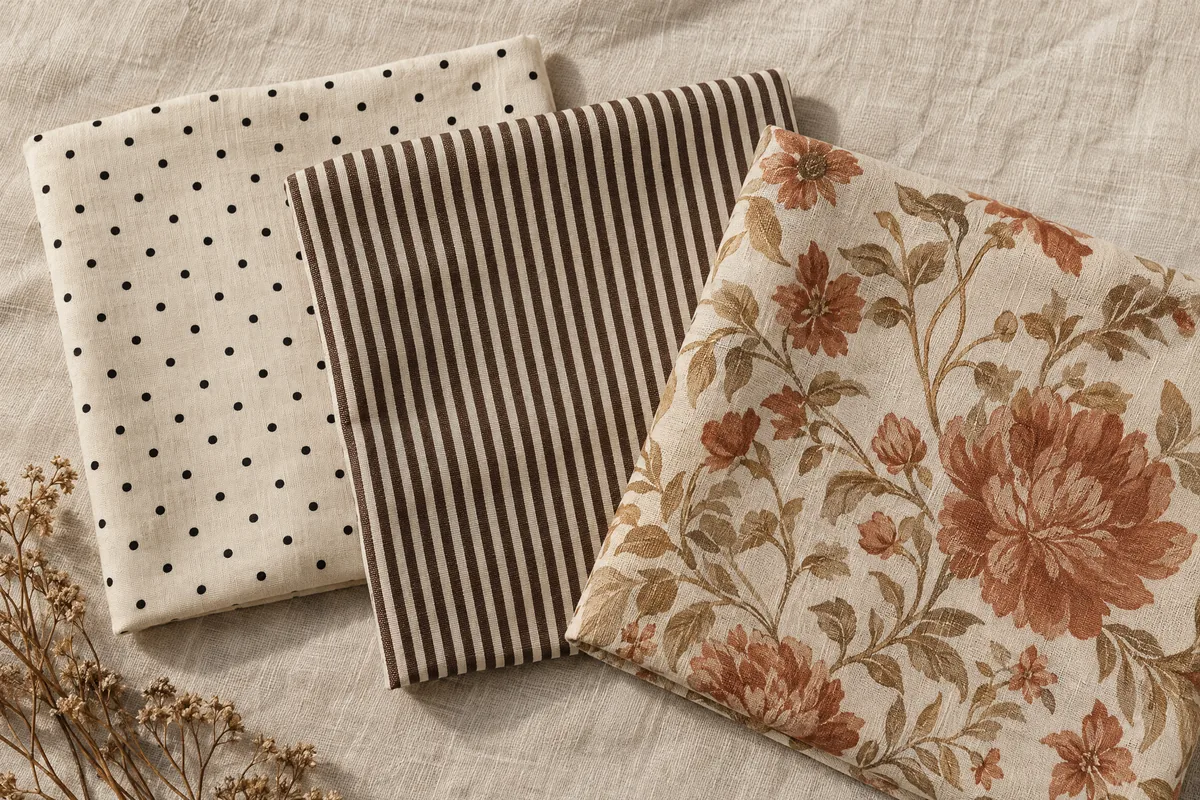
Not every combination has to be dramatic. Stripes, leopard, plaid, polka dots, and subtle checks often behave like neutrals because they are visually familiar and easy to repeat. Think of them as your foundation prints when you are building confidence and learning which combinations feel most like you.
Styling florals with stripes is a classic place to begin. A crisp stripe gives structure to a romantic floral, while the floral softens the stripe’s graphic edge. Keep the colors related, then vary the scale: a fine striped knit works especially well with a medium or larger floral skirt, and a broad stripe can balance a tiny ditsy floral.
Leopard is another versatile connector, especially in traditional brown, black, and tan tones. It can add warmth to a striped dress, a checked blouse, or a colorful floral as long as you repeat one of its darker or lighter shades elsewhere. Explore our dress collection for one-piece outfits that make the first pattern decision easy, then introduce the second print through a layer or accessory.
- Use narrow black-and-white stripes as a base for colorful florals.
- Pair a small floral with a medium plaid when the two share one grounding shade.
- Treat classic leopard as a neutral alongside red, cream, black, denim, or olive.
- Choose polka dots for a softer contrast with angular checks and stripes.
- Start with two familiar prints before experimenting with abstract or novelty motifs.
Build an Outfit in Layers, Not All at Once
A practical print clashing guide starts with getting dressed in stages. Put on the print you are most excited to wear, then add the second piece and step back from the mirror. This gives you a clear read on whether the colors, scale, and mood work together before accessories enter the picture.
When considering how to mix prints and patterns through layering, use solid pieces strategically rather than automatically. A solid blazer, cardigan, or denim layer can frame a printed blouse and skirt, while a patterned jacket over a solid dress lets you ease into the look. The solid is not a retreat from style; it is a useful tool for setting the rhythm of the outfit.
Texture can also separate prints that might otherwise feel too close. A soft knit stripe with a sleek printed skirt, or a lightweight floral blouse with structured checked trousers, creates contrast you can feel as well as see. Find transitional layers in Outerwear & Jackets or Sweaters & Knits when you want to make a two-print outfit feel more grounded.
- Start with your favorite printed garment, then add only one additional print.
- Use a solid outer layer to create a clean frame around mixed prints.
- Choose different fabric textures when the patterns have similar colors or scales.
- Show a small amount of the second print at first through a cuff, collar, or scarf.
- Remove one accessory if the outfit begins to feel crowded rather than intentional.
Match the Mood Before You Match Every Detail
Knowing how to mix prints and patterns also means paying attention to mood. A breezy botanical print and a relaxed stripe can feel naturally connected, even if their colors are not identical. A sharp houndstooth and a playful fruit motif may be harder to reconcile because one reads tailored and graphic while the other reads whimsical and casual.
Consider the setting, too. For work or a polished lunch, combine a restrained print such as a pinstripe, micro-check, or subtle animal pattern with one more expressive piece. For weekends and travel, you can lean into brighter colors, larger florals, and unexpected pairings. The strongest outfits usually have a consistent energy, whether that energy is sporty, romantic, tailored, bohemian, or bold.
Shoes and accessories are where you can either reinforce or redirect the mood. A streamlined pair from our Shoes collection keeps a print-forward outfit focused, while a patterned bag or scarf can add a third note once the first two prints already feel balanced. For a more playful finish, browse Accessories and choose one accent that repeats a color instead of introducing an entirely new palette.
- Pair romantic florals with relaxed stripes, soft dots, or delicate gingham.
- Balance tailored checks with a clean geometric, subtle animal print, or fine stripe.
- Keep the overall color intensity similar when mixing casual prints for the first time.
- Use neutral shoes when two garments are already making a strong statement.
- Add a third print only when it is small, quiet, and connected by color.
Break the Pattern Mixing Rules With Intention
Pattern mixing rules are useful because they teach your eye what balance looks like, but they are not meant to erase personality. After you understand shared color, varied scale, and a clear focal point, you can bend the guidelines with confidence. Two bold prints can absolutely work when you choose them because the tension feels exciting, not because you hoped they would disappear into each other.
To decide how to mix prints and patterns in a more adventurous way, photograph the outfit or view it from a few steps back. The distance helps you see the overall composition rather than getting caught up in every tiny motif. If the look has one clear color story and enough contrast in size, a little clash can feel fashion-forward and entirely wearable.
Keep experimenting with pieces you genuinely enjoy instead of saving them for a perfect occasion. Try a mixed-print outfit with denim, a solid layer, or simple shoes first, then gradually increase the contrast as your confidence grows. Fresh combinations are a great reason to check New Arrivals, but the best result is always an outfit that feels like an extension of your own style.
- Take a mirror photo to evaluate the full outfit instead of judging prints from inches away.
- If you break the shared-color guideline, keep one print lower contrast or smaller in scale.
- Repeat one accessory color to make an unusual pairing feel more cohesive.
- Try bold mixed prints on a day when comfort and confidence matter more than perfection.
- Trust your reaction: if you keep adjusting the outfit, simplify one element and try again.
Where to go from here
The most flattering way to learn how to mix prints and patterns is to practice with combinations that feel one step beyond your usual wardrobe. Start with a shared color, vary the print sizes, and let one piece lead. From there, styling florals with stripes, checks with dots, or animal print with a geometric becomes a creative choice rather than a guessing game.
Use this print clashing guide as a starting point, not a uniform. When the outfit feels balanced, comfortable, and true to your style, you have successfully learned how to mix prints and patterns.