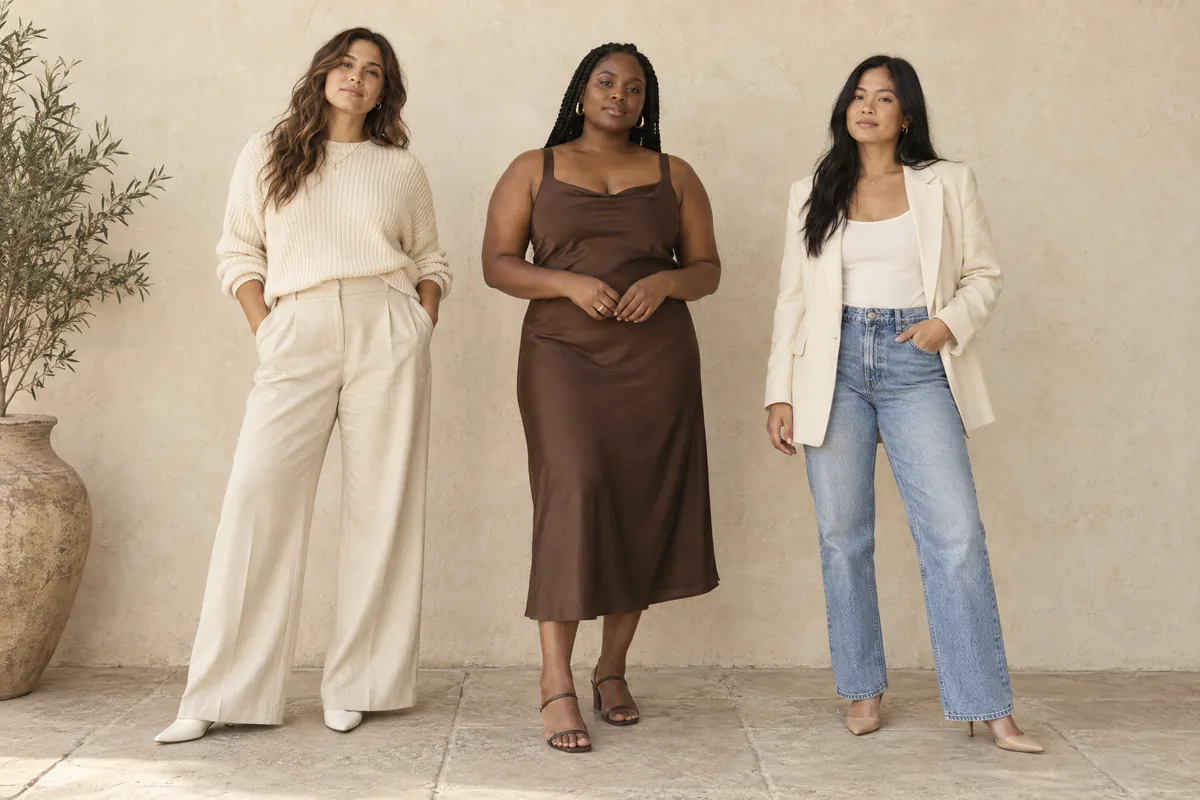
Great style is not a number on a tag. This styling guide for every size is built around the details that make clothing feel personal: ease of movement, fabric, proportion, color, and the confidence to wear what you genuinely enjoy.
Rather than chasing rules about what you “should” wear, use your outfit to highlight the mood, shape, and comfort level you want that day. Whether you are getting dressed for work, dinner, errands, or an event, a few thoughtful choices can make getting ready simpler and more fun.
Start This Styling Guide for Every Size With Fit, Not Labels
The most useful starting point is the way a piece fits your actual body right now. Sizes vary between cuts and fabrics, so treat the label as a reference point rather than a verdict. Notice where a garment sits at the shoulder, waist, hip, bust, and inseam, then decide whether its shape supports the way you want to move.
A polished fit does not have to mean a tight fit. A fitted knit can skim rather than cling, while a relaxed button-front shirt can look intentional when the shoulder seam is in a comfortable place. When you try something on, sit down, lift your arms, and take a few steps; those small checks reveal more than a mirror pose ever will.
In this styling guide for every size, comfort is part of the outfit’s visual impact. When you are not pulling at a hem, adjusting a waistband, or worrying about coverage, you stand differently. That ease reads as confidence, whether your look is tailored, casual, minimal, or bold.
- Choose a waistband that stays comfortable while sitting, standing, and walking.
- Check that shoulder seams feel natural instead of restricting your arm movement.
- Use a half-tuck, a full tuck, or an untucked hem to test where you prefer visual definition.
- Try the same silhouette in a different fabric when the first version feels too stiff or too clingy.
- Keep a note of the rises, sleeve lengths, and inseams that consistently make you feel your best.
Create Proportion Without Following Restrictive Rules
Proportion is simply the relationship between the pieces in an outfit. It is not about making your body look smaller, taller, narrower, or more like anyone else’s. It is about deciding where you want volume, structure, length, and emphasis to land.
If you wear a relaxed top, you may enjoy pairing it with straight-leg trousers or a skirt with a clearer waistline. If you love wide-leg pants, a closer-fitting tank, a tucked blouse, or a cropped jacket can create contrast. None of these combinations are requirements; they are useful options for making an outfit feel balanced to you.
Layering is one of the easiest ways to direct the eye and adjust proportion. An open jacket creates a vertical line, while a shorter layer can place attention near your natural waist. Explore outerwear and jackets when you want a finishing piece that changes the shape of basics without making the outfit feel overdone.
- Pair a long, fluid top with a straighter bottom when you want a clean vertical effect.
- Add a belt only when you enjoy the definition; leaving a dress unbelted can look equally deliberate.
- Use a cropped layer over a longer base piece to create length variation.
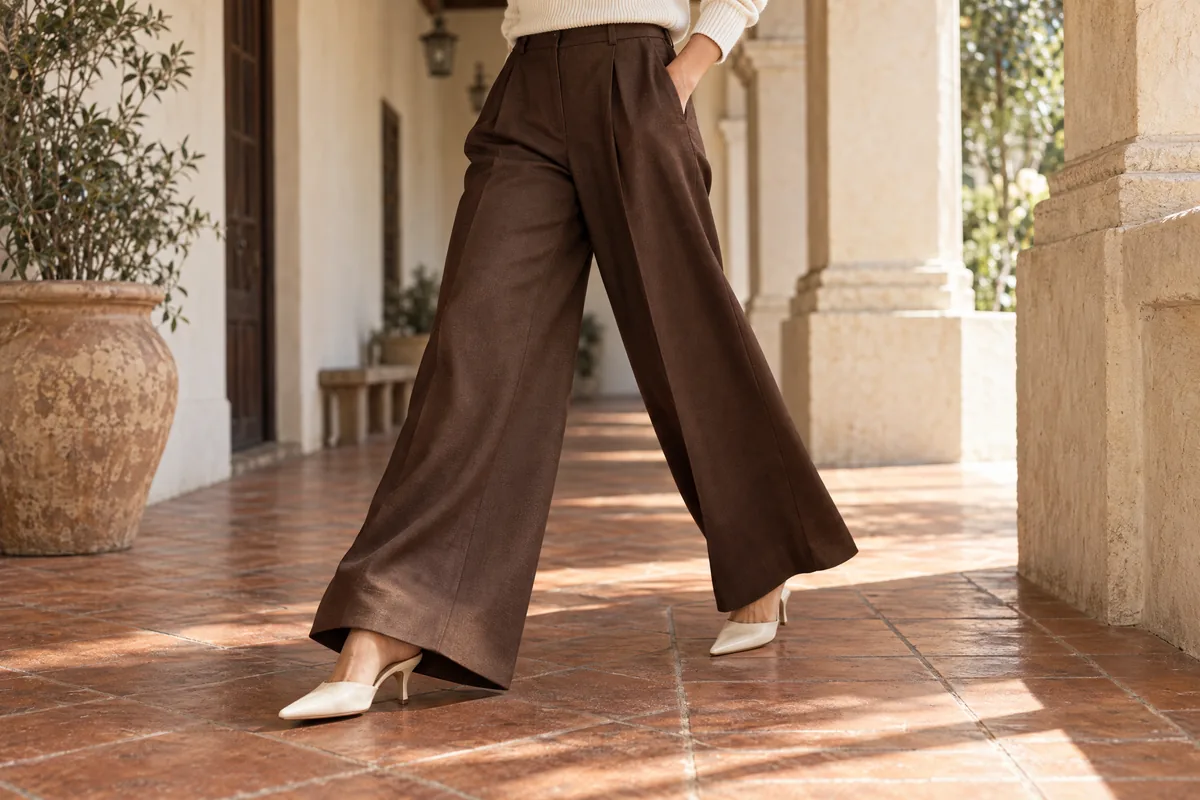
- Let wide-leg pants skim the floor or meet the top of your shoe for an intentional finish.
- Choose one area for extra volume, such as a full sleeve, wide pant leg, or swishy skirt, then keep the rest of the look simpler.
Build a Size Inclusive Wardrobe Around Repeatable Pieces
A size inclusive wardrobe works best when it contains pieces you can style in more than one way, not a collection of “fixes” for imagined flaws. Start with categories that match your lifestyle: everyday tops, bottoms you can move in, layers for changing weather, and one-piece options for low-effort dressing. The goal is a closet that gives you choices, not pressure.
Look for familiar silhouettes in colors and fabrics that work together. A favorite pair from our jeans and denim collection can support an endless rotation of knits, tees, blouses, jackets, and shoes. Likewise, a versatile dress can become casual with sneakers, sharper with boots, or more layered with a sweater worn over the top.
This styling guide for every size encourages a small amount of experimentation within a dependable foundation. Before adding something new, ask whether it works with at least two pieces you already own and whether you can imagine wearing it in your real week. That question helps build a wardrobe with longevity and personality.
- Keep two or three dependable bottoms in silhouettes you reach for repeatedly.
- Choose tops with different necklines so similar outfits do not all feel the same.
- Include a layer that works indoors and outdoors, such as a cardigan, jacket, or light overshirt.
- Use jumpsuits and sets for quick outfits when you want a coordinated look with minimal planning.
- Add one statement item in a color, print, or texture that makes even your basic outfits feel more like you.
Use This Styling Guide for Every Size for Dresses, Denim, and Separates
Dresses, denim, and separates each offer a different route to an easy outfit. With dresses, focus on the details that influence how you feel: adjustable straps, sleeve coverage, waist placement, hem length, fabric weight, and how the skirt moves. Browse our dress collection with a specific occasion in mind, but do not limit a favorite dress to just one setting.
Denim is especially personal, so give yourself permission to try several rises and leg shapes. A high rise may feel supportive and defined; a mid rise may feel more relaxed; a wide leg, straight leg, or cropped length can shift the overall mood. The right option is the one that lets you move comfortably and makes you want to wear it again.
Separates give you the most room to adjust an outfit from day to day. Combine a soft top with tailored trousers, a structured blouse with jeans, or a simple knit with a skirt. When learning how to dress any size with more confidence, repeat a successful formula in new colors or fabrics instead of starting from scratch every morning.
- Select dress hems based on the shoes and activities you plan to wear, not on outdated length rules.
- Try a front tuck in a blouse to show a little waist while keeping the back relaxed.
- Balance a fitted bottom with a draped top when that contrast feels comfortable to you.
- Reach for pants and trousers in a cut that works with your preferred shoe height.
- Use a monochrome outfit to create a streamlined canvas, then add contrast through texture or accessories.
Let Color, Texture, and Accessories Set the Tone
Color is an expressive tool, not a test of what you can “pull off.” Begin with shades you already wear often, then introduce one fresh color through a top, bag, shoe, or layer. A tonal outfit in related shades can feel refined, while a saturated accent can make a familiar formula feel new.
Texture gives an outfit depth even when the palette is simple. Think ribbed knits with smooth denim, crisp cotton with soft trousers, or a lightweight layer over a fluid dress. Mixing one structured piece with one softer piece is a reliable way to create dimension without adding visual clutter.
Accessories can shift the energy of an outfit quickly. A statement earring, a belt, a scarf, or a bag can highlight your personal style without requiring an entirely new wardrobe. Explore accessories as finishing details, then choose shoes that fit both the look and the amount of walking your day includes.
- Use a shoe in a contrasting color when you want an otherwise simple outfit to feel more playful.
- Match the scale of your accessories to the effect you want, from delicate details to a bold focal point.
- Layer necklaces over a simple neckline to add interest without changing the outfit’s silhouette.
- Choose texture over pattern when you want subtle visual depth.
- Repeat one color twice in an outfit, such as in a top and shoe, for an easy sense of cohesion.
Make the Styling Guide for Every Size Work in Real Life
The best outfits support your real plans. Before you get dressed, consider the temperature, how long you will be on your feet, whether you will be sitting, and how formal the setting is. These practical details help you choose pieces that look considered because they are appropriate for the day, not because they follow a formula.
Create a short list of outfit combinations that always work for you, then photograph them or save notes in your phone. Include one casual uniform, one work-ready option, one dinner look, and one outfit for days when you want softness and ease. This personal reference becomes more useful than any universal list of fashion rules.
If you prefer to see pieces in person, visit Pieces of a Dream at 2448 Central Ave, St Petersburg, FL 33712. You can also begin with new arrivals when you are ready to refresh a dependable formula, keeping the focus on what feels authentic to your style.
- Plan your outfit the evening before a busy day so you can make fit decisions without rushing.
- Keep a few go-to shoe options ready for casual, polished, and event dressing.
- Alter or tailor a loved piece when a small adjustment would help you wear it more often.
- Take mirror photos from different angles to learn which proportions you personally enjoy.
- Review your closet seasonally and keep only the items you can picture wearing in your current life.
Where to go from here
A styling guide for every size should leave room for your taste, your comfort, and your changing needs. Use fit as information, proportion as a creative tool, and color or accessories as a way to make each look your own.
The most worthwhile wardrobe is one that helps you get dressed with less second-guessing and more enjoyment. Start with one outfit formula that feels good, make it repeatable, and build from there.