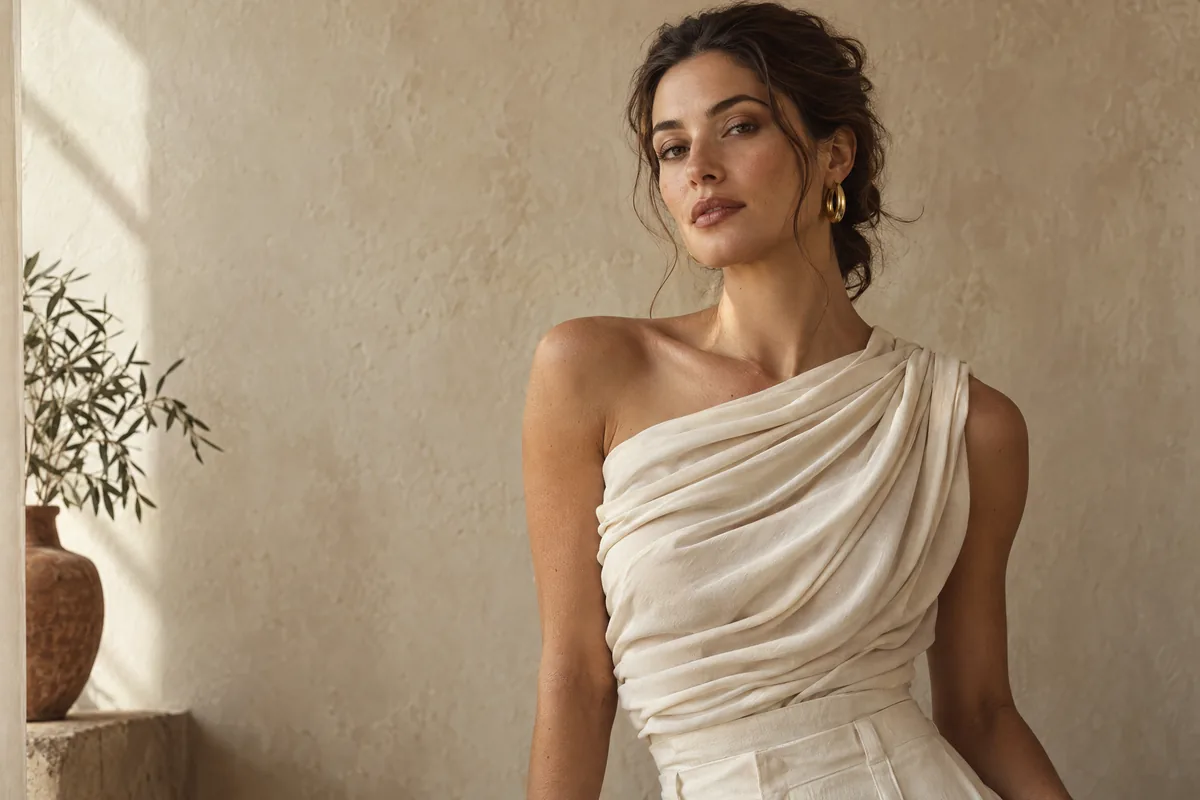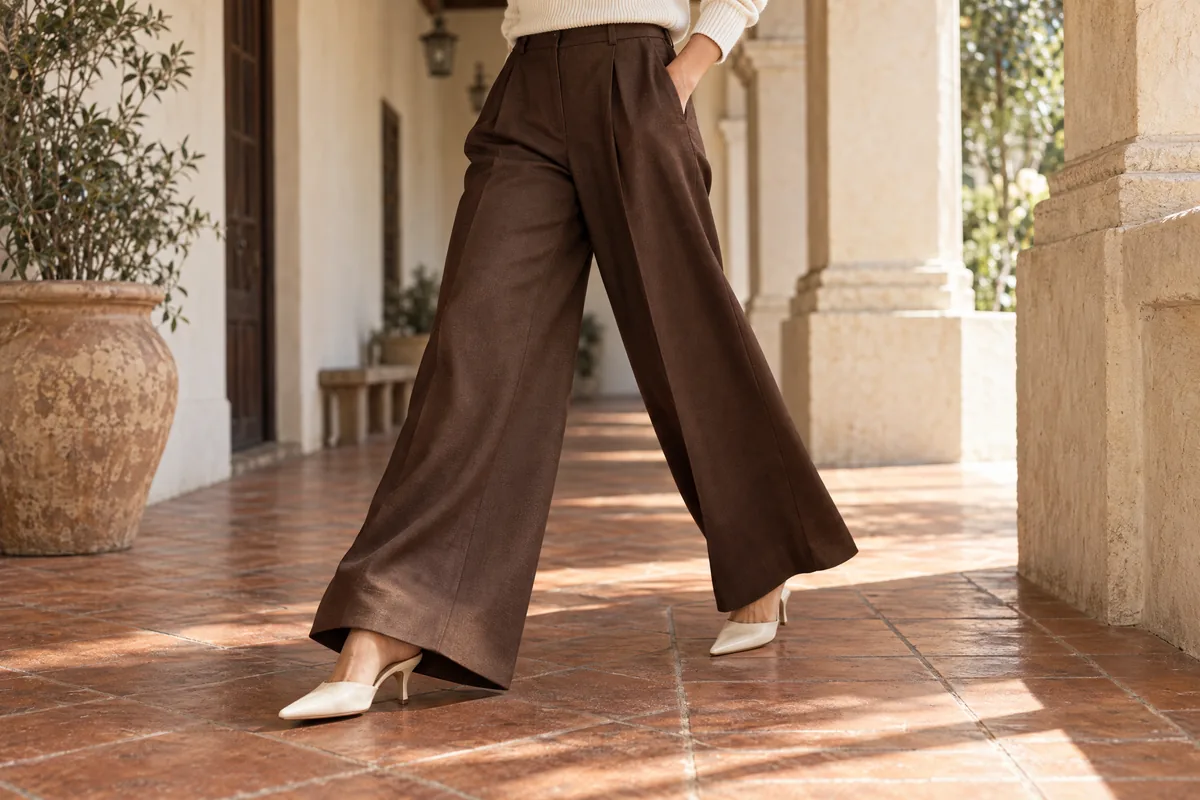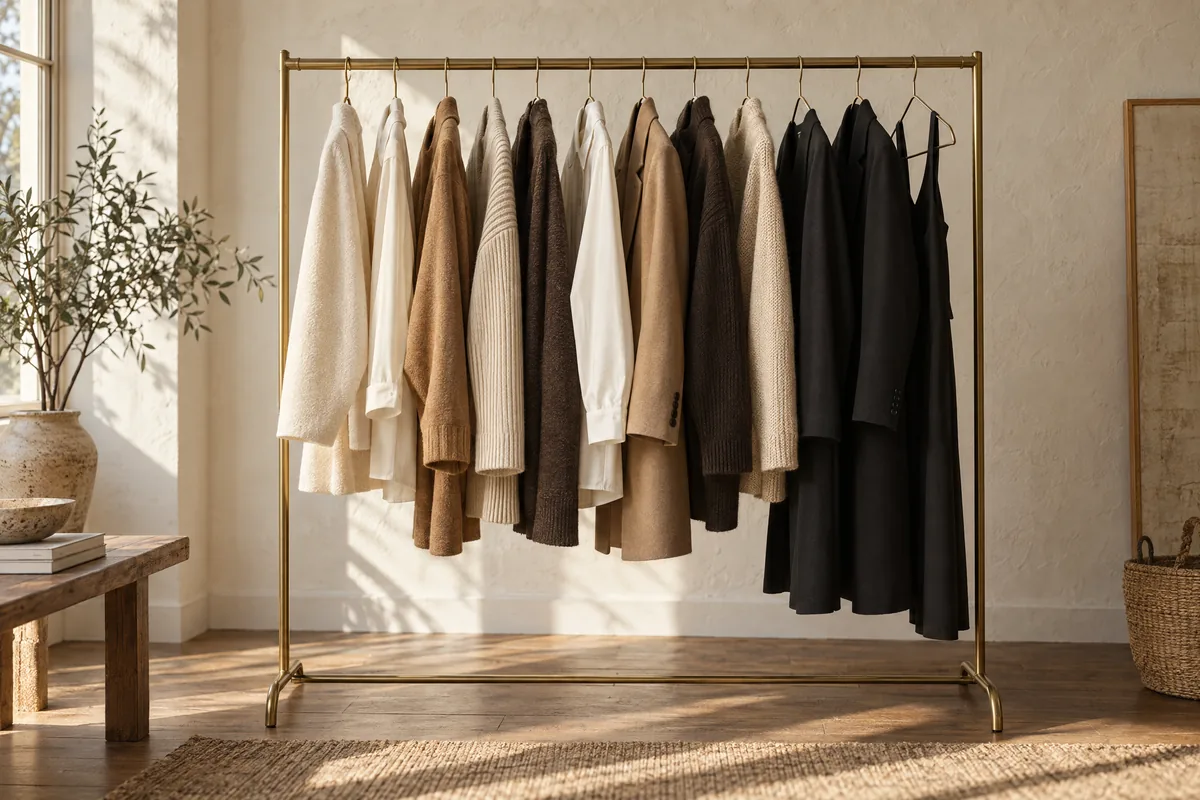
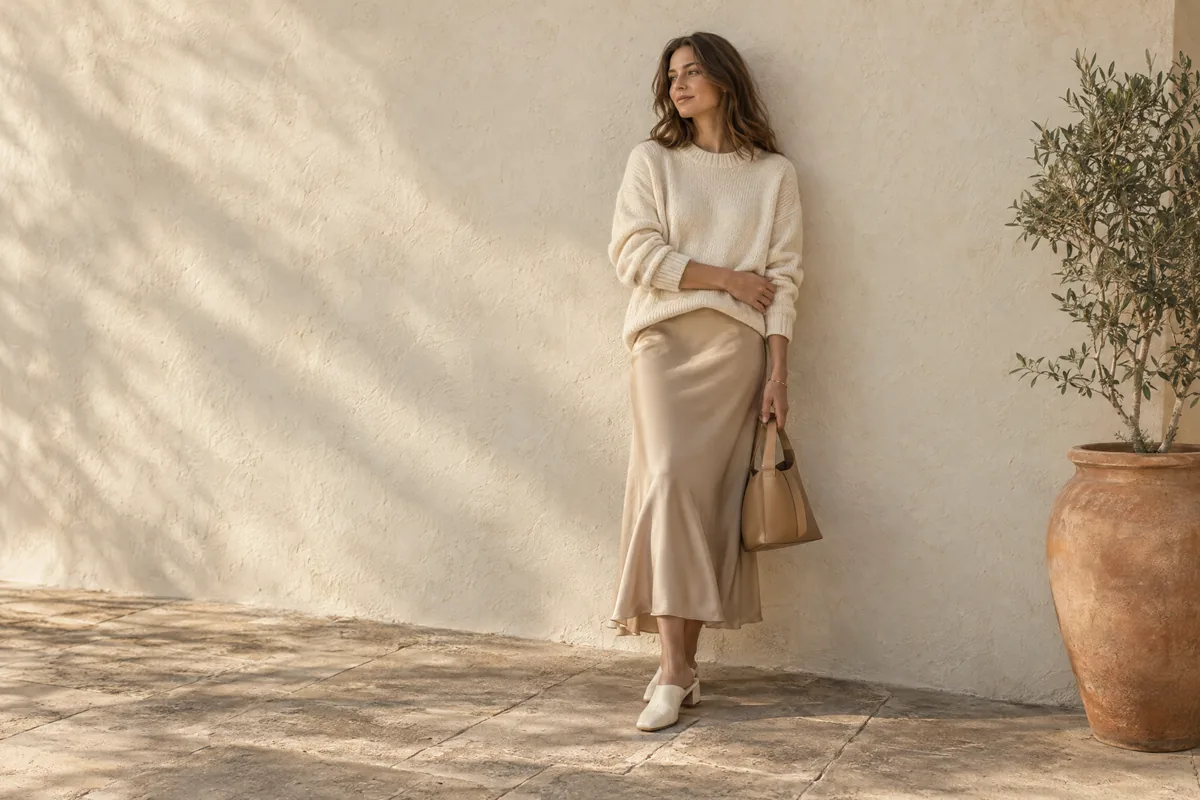
Neutral color palette outfits are anything but boring when you build them with intention. The secret is not owning identical shades of beige; it is learning how warm and cool neutrals, texture, proportion, and accessories work together.
Whether you are editing your closet or getting dressed for a specific occasion, neutral color palette outfits give you a reliable starting point. Use this guide to choose shades that flatter you, create contrast without loud color, and make simple pieces look thoughtfully styled.
Start Neutral Color Palette Outfits With a Core of Wearable Shades
The strongest neutral color palette outfits begin with a small group of shades you genuinely want to wear. Think ivory, cream, oatmeal, camel, tan, taupe, chocolate, charcoal, navy, black, and soft gray. You do not need every option; choose four to six that work with your complexion, lifestyle, and existing closet.
Notice how a color behaves near your face in daylight. If camel and warm ivory make your skin look brighter, lean warm; if charcoal, crisp white, and blue-gray feel more harmonious, build around cooler tones. Mixed undertones can work beautifully, but an intentional base makes getting dressed much easier.
- Choose two light neutrals, such as cream and soft beige, for tops and layers that brighten an outfit.
- Add two grounding darks, such as espresso and charcoal, to give your outfits visual structure.
- Use tops and blouses as your testing ground because their color sits closest to your face.
- Keep one versatile denim wash in your rotation, since blue denim acts like a relaxed neutral with most palettes.
- Prioritize shades you can repeat across at least three categories, including tops, bottoms, shoes, or outerwear.
Build Neutral Color Palette Outfits by Matching Undertones
Undertones are the quiet detail that makes neutral color palette outfits look cohesive rather than accidental. Warm neutrals have yellow, gold, or red influence: cream, sand, cognac, camel, and rich brown. Cool neutrals carry blue, gray, or pink influence: stone, mushroom, dove gray, charcoal, and black.
You do not have to match every undertone exactly. Instead, let one family lead and use another shade as a deliberate contrast. For example, cool gray trousers with a soft ivory blouse can look polished because the contrast is clear, while a gray-beige top and a yellow-beige pant may look less resolved if neither shade is intentionally dominant.
- Pair warm cream with camel, tobacco, chocolate, or gold-toned details for an easy warm-neutral formula.
- Pair white, stone, charcoal, and black when you prefer a sharper, cooler direction.
- Use black as an anchor rather than the whole outfit when you want lighter neutrals to stay central.
- Try pants and trousers in your deepest neutral to create a dependable foundation.
- If a neutral feels slightly off near your face, wear it on the bottom half and bring your best shade closer to your skin.
Create Beige and Cream Outfits With Contrast, Not Clutter
Beige and cream outfits are timeless, but they need distinction to avoid looking flat. Start by separating the shades: pair a creamy top with deeper khaki trousers, a pale beige dress with a cognac shoe, or an oatmeal knit with dark denim. Even a small shift in depth gives the eye somewhere to land.
For neutral color palette outfits in light shades, use contrast through finish and shape as well as color. A fluid cream blouse beside structured trousers, or a ribbed knit over a smooth skirt, reads more dimensional than pieces with the same weight and surface. This is especially useful when your whole outfit stays within ivory, sand, and beige.
- Combine one light, one medium, and one dark neutral instead of wearing three nearly identical beiges.
- Style a cream dress from our dress collection with a darker belt, bag, or shoe to define the silhouette.
- Choose a visible texture, such as ribbing, denim, pleating, or a woven finish, for at least one piece.
- Use a tucked or half-tucked top to make light-on-light separates feel intentional.
- Keep prints minimal when learning this formula so the subtle color variation remains the focus.
Use Texture and Proportion to Give Neutral Looks Depth
Texture is what makes neutral color palette outfits feel rich in real life. Smooth, soft, structured, washed, matte, and slightly shiny surfaces all reflect light differently. When color is quiet, these differences do more of the styling work.
Build each look around a balance of volume. If you wear a relaxed sweater, choose a straighter bottom or show a little shape at the waist; if you choose wide-leg trousers, try a closer-fitting top or a shorter layer. The goal is not to follow a rigid rule, but to create a silhouette that feels considered from every angle.
- Pair a soft knit from our sweaters and knits with crisp trousers or denim for immediate contrast.
- Balance wide-leg pants with a fitted tank, a tucked blouse, or a cropped jacket.
- Layer a structured jacket over a drapey dress when you want a simple outfit to feel more polished.
- Mix no more than two or three obvious textures in one look so the outfit still feels calm.
- Use a belt, a defined shoulder, or a tucked hem when head-to-toe neutrals need more shape.
Try Tonal Dressing Ideas for Easy, Polished Outfits
Tonal dressing ideas are ideal when you want a polished outfit without spending extra time coordinating multiple colors. Pick one color family—such as chocolate, gray, cream, or olive—and wear two or three versions of it. The shades do not need to match; in fact, slight variation is what keeps the look modern.
Neutral color palette outfits built tonally are also easy to adjust for the setting. Keep the contrast low for a softer daytime look, or add a dark shoe and a structured outer layer for more definition. A monochrome effect can be elegant, but it should still have depth through texture, scale, or a contrasting accessory.
- Try ivory, oatmeal, and camel together for a warm tonal look with clear light-to-dark movement.
- Build a cool tonal outfit with white, soft gray, and charcoal, then add silver-toned accessories if that suits your style.
- Wear denim with a blue-gray knit and navy outerwear for an understated version of tonal dressing.
- Add an outerwear layer one shade darker than the outfit beneath it to create a clean vertical line.
- Use a dark brown or black shoe to ground an all-light outfit when you want more contrast.
Finish Neutral Color Palette Outfits With Purposeful Accessories
Accessories can make neutral color palette outfits look casual, refined, creative, or evening-ready without changing the clothing itself. Choose one or two finishing elements that support the outfit’s direction: a sculptural earring, a textured bag, a clean belt, or a shoe with shape. More is not always better when the palette is restrained.
Pay attention to the contrast level of your accessories. High-contrast black shoes against cream clothing create a graphic effect, while tan footwear with beige and cream outfits keeps the line long and soft. For a reliable final check, step back from the mirror and ask whether the accessory repeats a color, adds texture, or gives the silhouette definition.
- Explore accessories that echo one of the outfit’s tones instead of introducing several new colors.
- Choose shoes with a distinct toe shape or texture when the clothing is soft and minimal.
- Repeat one metal finish across your jewelry and belt hardware for a subtly coordinated result.
- Use a darker bag to anchor light neutral wardrobe colors, especially when your shoes are also light.
- Save one statement piece for the focal point, then keep the remaining accessories understated.
Where to go from here
The best neutral color palette outfits are built from shades you enjoy wearing, not from a strict list of “must-have” pieces. Start with a few dependable neutral wardrobe colors, then use undertone, texture, and proportion to make them feel like your own.
Experiment with beige and cream outfits, deeper tonal combinations, and one well-chosen accessory at a time. Once you know your most flattering neutrals and favorite silhouettes, creating polished looks becomes a quick, repeatable part of your routine.