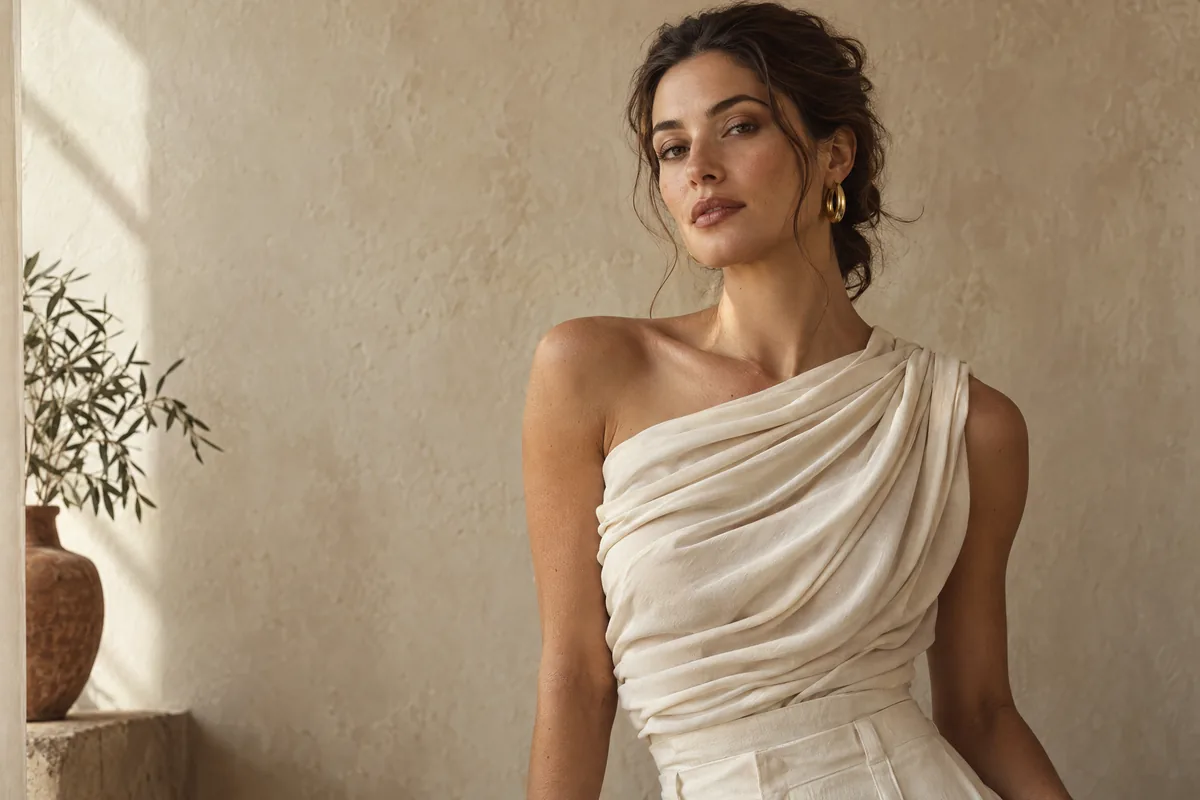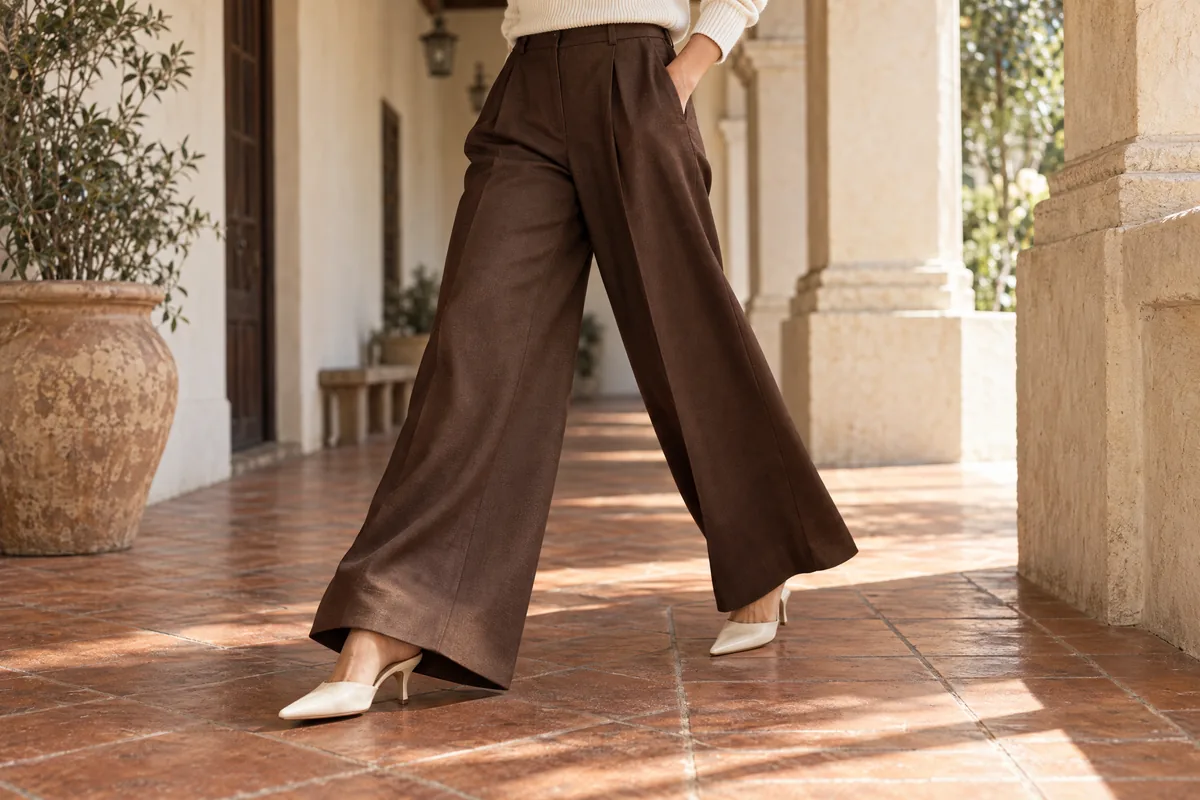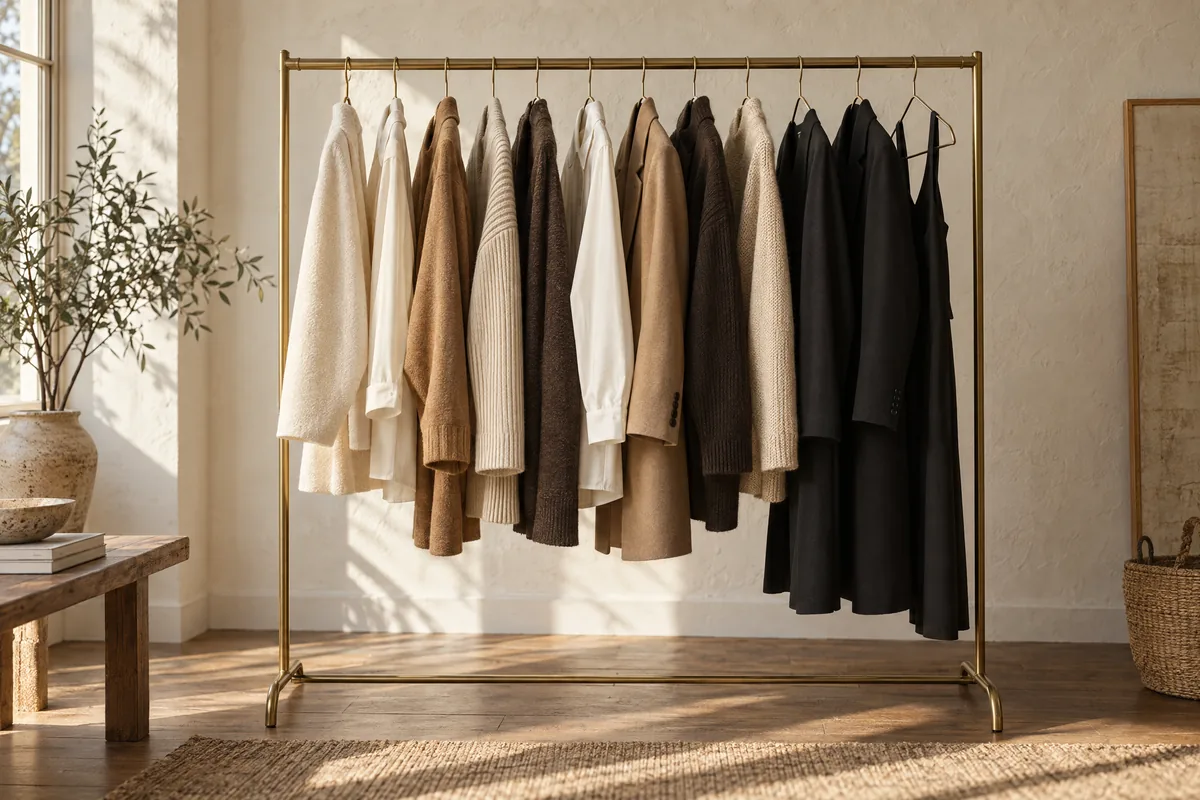
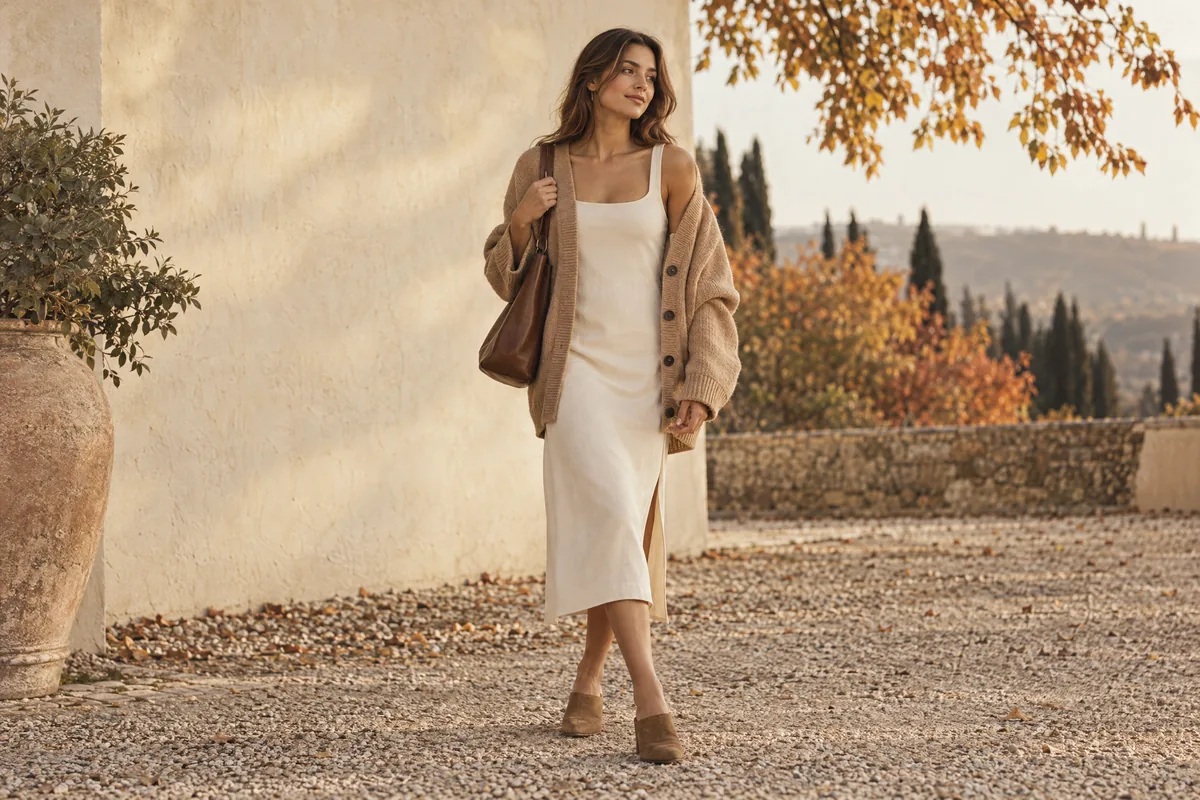
The best summer to fall transition outfits keep the ease of warm-weather dressing while adding just enough coverage for cooler mornings, air-conditioned rooms, and breezy evenings. Instead of packing away your favorite dresses, skirts, and sleeveless tops all at once, use a few thoughtful styling changes to make them feel right for the new season.
Transitional dressing is less about following a strict seasonal switch and more about planning for the day in front of you. Start with breathable base pieces, then bring in removable layers, closed-toe shoes, and deeper colors as the forecast begins to shift.
Build Summer to Fall Transition Outfits Around Lightweight Layers
A great layer should be easy to carry, simple to remove, and polished enough to complete the outfit rather than look like an afterthought. A denim jacket, relaxed blazer, lightweight cardigan, or overshirt can make a tank-and-skirt combination feel immediately more intentional without making you too warm by lunchtime.
For summer to fall transition outfits, choose layers with structure but not bulk. A cropped jacket defines the waist over a flowy dress, while an open cardigan softens tailored pants and a fitted tee. Browse outerwear and jackets for pieces that can work over several silhouettes.
Keep the base layer seasonally flexible. Sleeveless knits, short-sleeve blouses, cotton dresses, and simple tanks all give you room to add or subtract warmth as the temperature changes. The goal is to feel prepared, not over-layered.
Use Your Summer Dresses for Early Fall Outfit Ideas
Dresses are among the easiest pieces to carry into autumn because they create a complete look before you add a single layer. A midi dress with a jacket and ankle boots works for casual plans, while a simple slip-style dress can be grounded with a soft knit and more substantial accessories.
When creating early fall outfit ideas, pay attention to proportion. Pair a longer, breezier dress with a shorter jacket, or balance a fitted dress with an oversized button-down worn open. If the dress is bright or printed, introduce one fall-toned piece—such as a brown belt, olive jacket, or burgundy bag—to shift the mood.
Do not retire shorter dresses automatically. Wear one with a lightweight long-sleeve layer, a jacket, and closed-toe shoes when the weather is mild. Our dress collection offers versatile starting points for looks that can move between seasons.
- Layer a cropped denim jacket over a floral midi dress to add shape and provide easy warmth after sunset.
- Wear a fine-gauge sweater over a dress and let the skirt show below the hem for a skirt-and-knit effect.
- Add a belt over an open cardigan to create definition when your dress has a relaxed silhouette.
- Choose ankle boots or loafers with a summer dress when sandals begin to feel out of season.
- Carry a lightweight scarf in your bag for chilly restaurants, offices, or unexpected evening breezes.
Shift Color, Texture, and Fabric Without Losing Ease
You do not need to replace a full wardrobe to make summer to fall transition outfits feel seasonal. Begin by mixing in warmer neutrals and richer shades: chocolate brown, camel, olive, rust, wine, charcoal, and cream all pair naturally with pieces you already wore in summer.
Texture does much of the visual work in transitional dressing. Trade a crisp linen topper for cotton twill, lightweight denim, ribbed knits, soft suede-like finishes, or a fine sweater. These materials look more autumnal while still being comfortable in warm, humid weather.
Fabric weight matters more than the calendar. Keep breathable cotton, rayon, and lighter knits in rotation, but reserve heavy sweaters and thick coats for truly cool days. For a simple update, pair a warm-weather blouse with jeans and denim in a clean, darker wash.
Master Layering for Changing Weather From Morning to Night
Layering for changing weather works best when each piece can stand on its own. Start with a top, dress, or jumpsuit you would be comfortable wearing indoors, then add one removable third piece. This approach prevents the bulky, overly bundled feeling that can happen when you dress for a cold morning and a warm afternoon.
Think through your routine before getting dressed. If you will be outside early, commuting, then spending the afternoon indoors, a blouse with pants and a light jacket may make more sense than a heavy sweater. Summer to fall transition outfits should accommodate real life, not just the first temperature you see on your weather app.
Pay special attention to your lower half. Bare legs can still work on warm days, but full-length denim, soft trousers, and midi skirts often make an outfit feel more grounded for the season. Explore pants and trousers when you want a polished alternative to shorts without adding too much warmth.
- Wear a fitted tank or tee under an unbuttoned blouse so you can remove the outer layer without changing the look.
- Choose a cardigan that fits comfortably in a tote rather than relying on a bulky sweater you will not want to carry.
- Bring a light jacket for early errands, then tie it loosely at the waist when afternoon temperatures rise.
- Pair a sleeveless jumpsuit with a blazer or utility jacket for one-piece dressing that adapts quickly.
- Use breathable socks with loafers or ankle boots to make closed-toe footwear more comfortable on warmer days.
Choose Shoes and Accessories That Ground the Look
Footwear is often the fastest way to make summer to fall transition outfits look deliberate. You can continue wearing sandals on genuinely hot days, but loafers, low-profile sneakers, ballet flats, and ankle boots add a little more visual weight as the season changes. Match the shoe to your plans and comfort level rather than forcing a fully autumnal look too early.
Accessories can bridge the gap even when the clothing itself is simple. A structured bag, leather-look belt, gold-tone jewelry, or lightweight scarf gives a tank-and-jeans outfit a more finished feel. Shop accessories to add seasonal interest without overcomplicating your closet.
Avoid changing every element of the outfit at once. If you are wearing a breezy white dress, one deeper-toned bag or a pair of loafers may be all you need. That contrast between summer lightness and fall texture is what makes transitional dressing feel fresh.
Create a Repeatable Summer to Fall Transition Outfits Formula
The most wearable summer to fall transition outfits come from a few dependable formulas you can adjust with color and accessories. Rather than buying for one specific occasion, build combinations that work for errands, brunch, casual workdays, travel, and evening plans. Repeating a formula makes getting dressed easier while still leaving room for personal style.
Try a sleeveless blouse with straight-leg jeans and a light jacket; a midi skirt with a tucked-in tee and cardigan; or a jumpsuit with loafers and a blazer. These combinations use familiar pieces in a seasonally aware way. Visit Tops & Blouses for versatile base layers, then experiment with what is already in your wardrobe.
Before leaving home, use the one-layer check: can you comfortably remove or add one item if the temperature changes? If the answer is yes, you have likely built a look that will carry you through an unpredictable day. That practical flexibility is the foundation of confident early fall dressing.
- Start with one warm-weather piece, such as a sleeveless top, dress, skirt, or jumpsuit, instead of wearing several at once.
- Add one fall-forward element, including denim, a cardigan, a jacket, closed-toe shoes, or a deeper accent color.
- Keep the palette to two or three main colors so mixed seasonal textures still look cohesive.
- Save a photo of outfits that work well so you can recreate them quickly during busy mornings.
Where to go from here
Summer to fall transition outfits do not require a complete closet reset. With a breathable base, a removable layer, and one or two richer seasonal details, your favorite summer pieces can continue to work well into early fall.
Build your looks around comfort, proportion, and the realities of changing temperatures. The result is a wardrobe that feels stylish, useful, and ready for whatever the day brings.