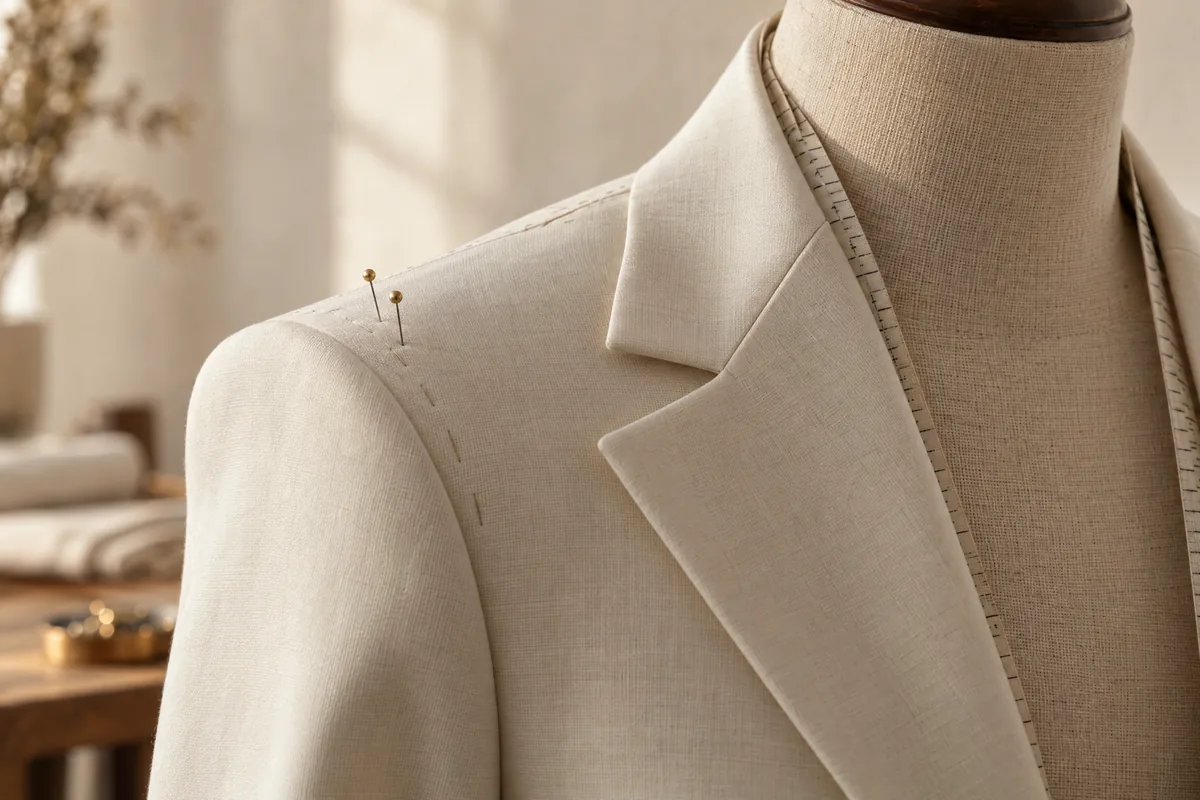
If you have ever loved an outfit in the fitting room, then doubted it because of the tag, you already understand why fit matters more than size. A number can help you choose where to start, but it cannot tell you whether a shoulder sits correctly, a waist feels easy, or a hem creates the proportion you want.
At Pieces of a Dream, we believe getting dressed should feel expressive rather than restrictive. This clothing fit guide is our case for looking past the label, learning what your body likes, and choosing pieces that support your personal style—whether you are building a polished everyday look or trying something new.
Why Fit Matters More Than Size in Every Outfit
Size is a production reference, not a measure of worth and not a universal language. Different cuts, fabrics, and silhouettes can make the same person reach for different sizes, which is exactly why fit matters more than size when you are deciding whether to take a piece home.
A garment that follows your shape comfortably will look intentional far longer than one chosen to satisfy a number. Pay attention to where the garment anchors on your body: shoulders, bust, waist, hips, and rise do more for the overall effect than the label ever can.
Dressing for fit also makes your closet more useful. When you know the shapes that let you move, sit, layer, and feel like yourself, you buy with more clarity and rely less on the hope that a certain size will magically work.
Why Fit Matters More Than Size When Reading the Tag
The sizing numbers meaning can change from one garment to the next because a size reflects a pattern, a fabric, and a design decision. A relaxed button-down is meant to have room; a fitted knit may be designed to skim; a structured trouser may need a more exact waist and hip match. That variation is normal, not a problem with your body.
Instead of beginning with the number, begin with the intended silhouette. Ask whether the piece is supposed to drape, hug, crop, pool, or hold its shape, then decide whether you want to wear it as designed or make it your own with a different fit.
This is why fit matters more than size even when shopping a familiar category. The same woman may prefer one fit in jeans and denim, another in dresses, and a third in a soft sweater—and all of those choices can be right.
Use This Clothing Fit Guide at the Fitting Room Mirror
A good fitting-room check is active, not passive. Stand naturally, then walk, sit, raise your arms, and look at the garment from more than one angle. Why fit matters more than size becomes obvious when an item looks appealing only while you are standing still and tugging it back into place.
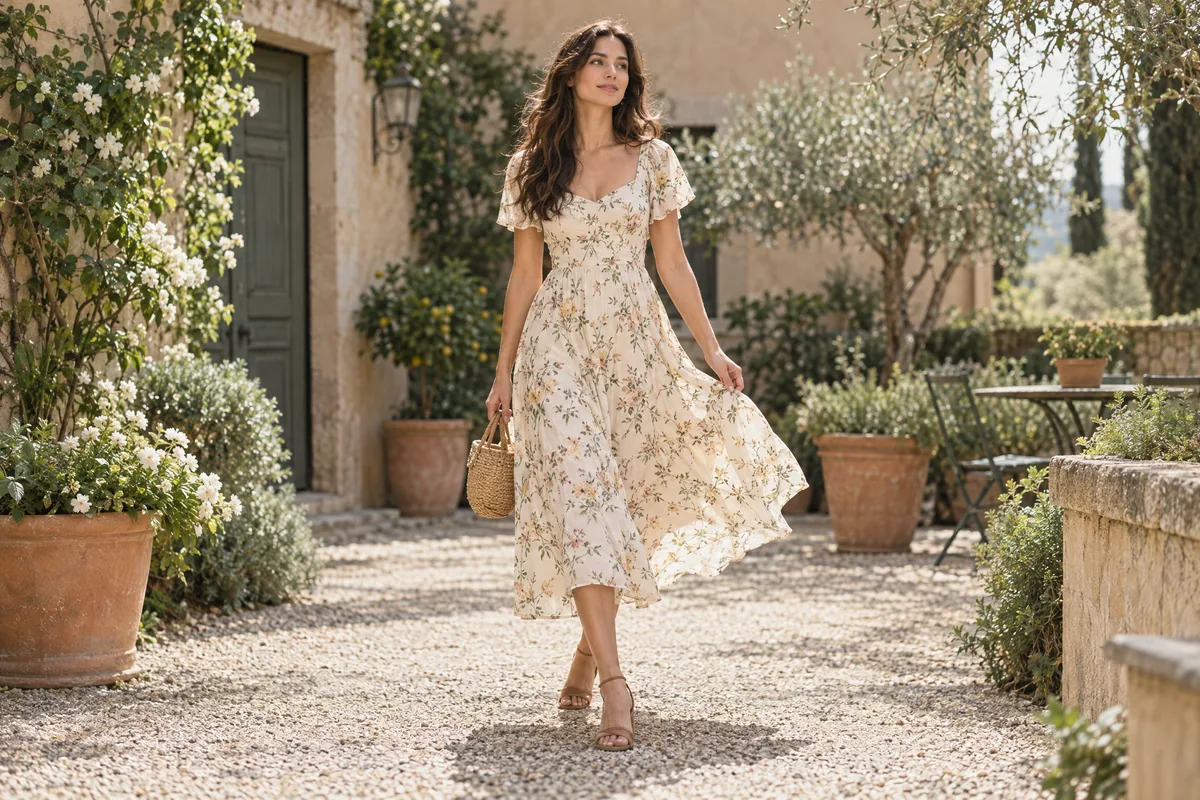
Start with the hardest areas to alter or ignore. Shoulder seams, armholes, rise, and the placement of a dress waistline strongly affect comfort and proportion; a slightly long sleeve or hem is often easier to style around. In our dress collection, notice where the waist seam lands and whether the neckline stays comfortable as you move.
Fabric deserves equal attention. Stretch can make a close fit feel flexible, while crisp woven fabric often needs a little ease; a lightweight fabric may drape differently once you are walking in daylight. The best choice is the one that feels good without asking you to hold your breath, pull it down, or plan your entire day around it.
- Check that shoulder seams sit at or near your natural shoulder edge unless the design is intentionally dropped.
- Make sure you can sit comfortably without a waistband digging in, gaping, or rolling.
- Look for pulling lines across the bust, hips, or upper back, since they often signal that the garment needs more room or a different cut.
- Lift both arms and confirm that the armholes, sleeves, and neckline stay where you want them.
- Take three steps in the shoes you expect to wear, because a hemline and pant break can look different in motion.
Dressing for Fit Means Working With Proportion
Dressing for fit is not about hiding your body or following a fixed set of rules. It is about using line, length, and volume to create an outfit that feels balanced to you. Why fit matters more than size is especially clear when a few proportion choices turn separate pieces into a look that feels considered.
Try balancing one relaxed element with one more defined element. A fuller trouser can pair beautifully with a closer-fitting top, while an oversized sweater can feel polished over a straighter skirt or denim. If you enjoy an all-relaxed silhouette, create shape through a front tuck, a shortened hem, or an accessory that gives the eye a focal point.
Length matters as much as width. A jacket that ends at a flattering point, a pant that breaks cleanly over your shoes, or a top that meets the rise of your bottoms can change the entire outfit. Explore pants and trousers with the tops already in your closet so you can judge the full proportion, not just the fit in isolation.
- Pair a voluminous top with a straighter bottom when you want a clear, balanced outline.
- Use a partial tuck or a shorter layer to reveal your waistline without forcing a tight fit.
- Choose a jacket length that complements the rise of your pants or skirt rather than cutting across the widest point by accident.
- Check cropped tops with the bottoms you plan to wear so the amount of skin or layering feels intentional.
- Let shoes guide the final length of wide-leg pants, long skirts, and dresses with movement.
Know the Difference Between Comfortable and Too Big
Comfort is a sign of good fit, but comfort does not always mean adding more volume everywhere. A piece can feel easy and still have a defined shoulder, a secure waistband, or a clean neckline. Why fit matters more than size because the goal is freedom of movement with an intentional shape, not simply the largest amount of fabric.
Too-small clothing tends to pull, gape, restrict, or make you adjust it repeatedly. Too-big clothing can slide off the shoulders, collapse at the neckline, create excess fabric where you do not want it, or overwhelm details you love. Neither experience is fixed by the number on the tag; the solution may be another size, another cut, or another fabric.
When an item is close but not quite right, be specific about what is off. You may love the color and fabric but need a different rise, a more defined waist, or a narrower shoulder. Browsing Tops & Blouses with that language in mind makes shopping more productive than searching for one familiar number.
Why Fit Matters More Than Size for a More Personal Closet
A personal closet is built on repeat wear, and repeat wear comes from pieces you do not have to negotiate with. Why fit matters more than size because a garment that sits well earns your trust: you reach for it on busy mornings, pack it for a weekend, and style it in more than one way.
Keep a simple mental record of what works. Maybe you prefer a high rise with room through the thigh, sleeves that hit just above the wrist, or dresses with a defined waist and easy skirt. Those observations are more valuable than any single sizing number because they travel with you across silhouettes and seasons.
Give yourself permission to try more than one size, especially in fitted denim, tailored pieces, and knits with stretch. You can also visit us at 2448 Central Ave in St. Petersburg to see how fabrics and proportions feel in person, then finish your look with pieces from our accessories collection that make the outfit feel unmistakably yours.
Where to go from here
The tag can point you toward a starting place, but it should never have the final word. When you understand why fit matters more than size, you can shop with less second-guessing and dress with more ease.
Choose the piece that lets you move comfortably, reflects the silhouette you want, and makes you feel present in your own clothes. That is the kind of fit worth keeping.