The future of slow fashion is already taking shape in the way women shop, get dressed, and decide what deserves space in their closets. It moves the conversation beyond quick trends and toward pieces that work harder, feel more like you, and remain relevant after the moment has passed.
At Pieces of a Dream, we believe personal style should feel expressive rather than restrictive. An intentional wardrobe can still be colorful, feminine, bold, relaxed, or playful; it simply asks you to choose with more care and wear what you choose with confidence.
The Future of Slow Fashion Is Personal, Not Perfect
For years, slow fashion has been framed as a set of rules: buy less, keep everything forever, avoid every trend. That framing can make getting dressed feel like a test. The future of slow fashion should be more useful than that—an approach that helps you make thoughtful decisions while leaving room for changing tastes, new seasons, and real life.
A considered wardrobe does not have to be neutral or minimal. It can include a statement print, a dramatic sleeve, or a pair of jeans that makes an ordinary Tuesday feel better. The point is not to create a uniform; it is to recognize the difference between an item you will reach for and one that only feels exciting for five minutes.
This distinction matters because closet clutter often comes from purchases made without a clear role in mind. Before bringing home a piece, picture at least three places you could wear it and what you would pair it with. If the answer comes easily, it may have a lasting place in your rotation.
The ethical fashion future is strongest when shoppers are given permission to be honest about their own habits. Buy for the life you have now, not an imaginary version of yourself, and let your closet support your days instead of creating more decisions.
- Ask whether a new piece works with at least three items you already own.
- Choose a silhouette you know you enjoy wearing rather than chasing a look that feels unfamiliar.
- Consider comfort, movement, and care needs before deciding an item is versatile.
- Keep a short note on your phone of wardrobe gaps, so shopping starts with purpose.
- Give yourself a 24-hour pause before buying an item that does not have an immediate outfit plan.
Why the Slow Fashion Movement 2026 Will Favor Versatility
The slow fashion movement 2026 will likely be defined less by a single look and more by versatility. Women are looking for clothing that can move through a full day: a top that works for coffee, work, dinner, or a weekend plan; a dress that changes character with shoes and jewelry; outerwear that completes rather than competes with an outfit.
Versatility is not the same as choosing only basics. A memorable piece can be versatile when its color, shape, and fabric make styling easy. A printed midi dress, for example, may feel distinct on its own but become a repeat favorite with a jacket, boots, sandals, or different accessories. Explore our dress collection with that kind of repeat wear in mind.
This is where the future of slow fashion becomes practical. Instead of asking whether an item is formal or casual, ask how many versions of it you can create. A blouse can be tucked into denim, worn loose over trousers, or layered under a sweater; the value is in its range, not in a label.
The sustainable fashion industry also benefits when clothing stays active in closets longer. Frequent wear is a meaningful personal goal because it encourages better styling, more thoughtful care, and a closer relationship with what you own.
- Build outfits around one anchor piece, such as a dress, denim, or tailored pant.
- Use shoes and accessories to shift the mood of the same outfit instead of buying a separate look for every occasion.
- Try a blouse with both jeans and a skirt before deciding whether it earns a place in your closet.
- Favor layers that can be removed or added as weather and plans change.
- Take a quick mirror photo of outfits you love, so proven combinations are easy to repeat.
The Future of Slow Fashion Depends on Better Questions
The most helpful shopping habit is learning to ask better questions before checkout or before you carry a piece to the fitting room. “Do I like it?” matters, but it is only the beginning. The future of slow fashion asks what will make you keep liking it after the newness has faded.
Start with fit. A beautiful garment that needs constant adjusting is unlikely to become a favorite, while a well-fitting piece often earns its place through sheer ease. Notice where a waistband sits, whether sleeves feel natural, how fabric moves when you walk, and whether you can imagine wearing it for several hours.
Then consider your existing wardrobe without judgment. If you tend to live in denim, a fresh top or blouse may give you more outfit options than another item that requires a whole new supporting cast. If dresses are your default, look for layers that expand the seasons in which you can wear them.
The goal is not to turn every purchase into a research project. It is to develop a clear personal filter. Over time, that filter makes the ethical fashion future feel less like sacrifice and more like the relief of knowing what actually works for you.
- Would you wear it within the next two weeks, without needing a special event?
- Can you sit, walk, and move comfortably in it for the kind of day you actually have?
- Does the color work with the shades you wear most often?
- Do you already own shoes and layers that make it easy to style?
- Will its care routine realistically fit into your weekly schedule?
Care and Repair Give Clothing a Longer Story
Buying thoughtfully is only one part of the equation. The future of slow fashion also depends on what happens after an item enters your closet. Basic care can preserve shape, color, and comfort, making it easier to keep favorite pieces in regular rotation.
Read the care label before the first wash, and do not treat every garment the same way. Washing only when needed, following fabric guidance, and storing knits folded rather than stretched on hangers are simple habits that can make a visible difference over time. Small attention is often more effective than complicated routines.
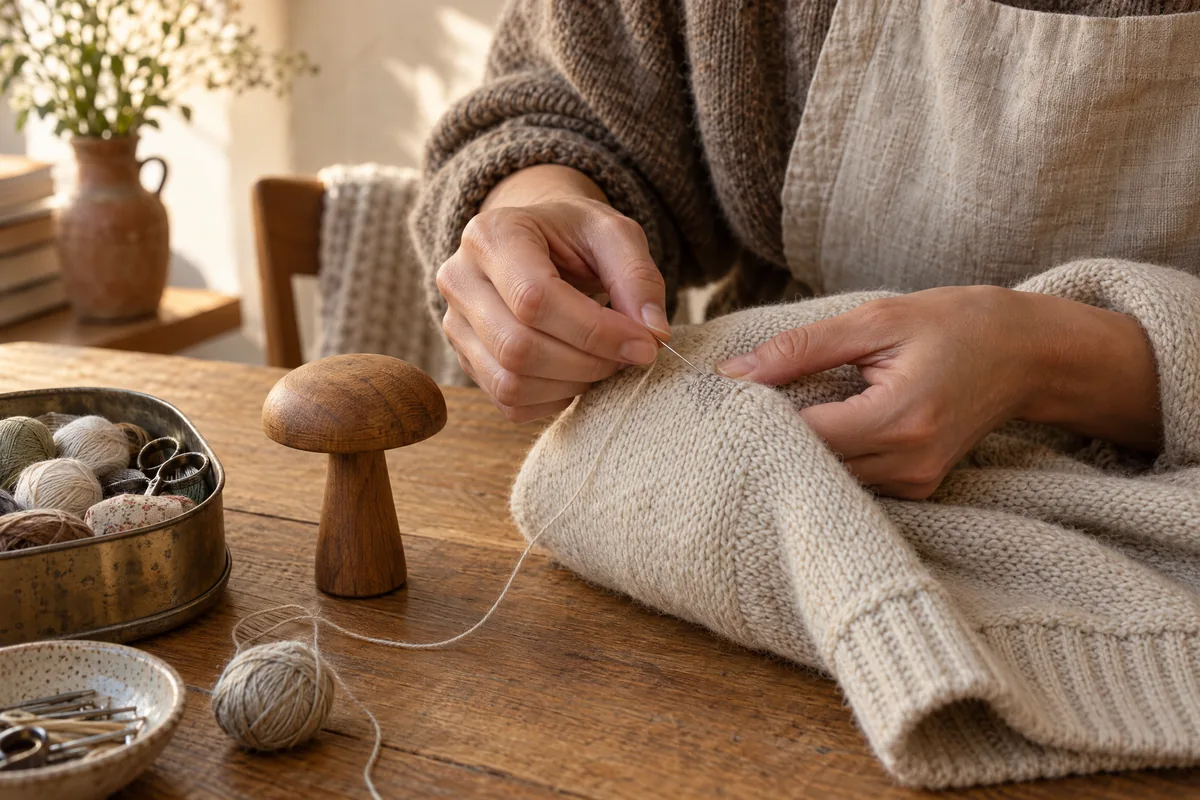
Repairs deserve a place in a modern wardrobe, too. Replacing a missing button, securing a loose hem, or addressing a small snag early can keep a loved piece wearable. These actions are not signs that clothing has failed; they are signs that it is being used and valued.
When a piece no longer fits your style or your life, pass it along responsibly if it is still wearable. The future of slow fashion is not about forcing yourself to keep every item forever. It is about extending usefulness where possible and making your next choice with greater clarity.
- Air out clothing between wears when it is clean, rather than automatically washing it.
- Close zippers and fasten hooks before laundering to reduce snagging.
- Store structured jackets on supportive hangers and fold delicate knits.
- Handle loose threads gently instead of pulling them, which can create a larger issue.
- Set aside items needing small repairs in one visible spot, then address them before they become forgotten.
A Thoughtful Closet Still Makes Room for Newness
There is a common misunderstanding that intentional style means never enjoying something new. In reality, newness can be a source of energy and self-expression when it is chosen well. The future of slow fashion is not anti-shopping; it is anti-disconnection between what we buy and how we wear it.
A new arrival can earn its place by refreshing the pieces you already love. Maybe it is a textured sweater that gives familiar jeans a new feel, a jacket that makes dresses work in cooler weather, or an accessory that changes the proportion of an old favorite. Browse new arrivals as potential wardrobe partners, not as one-time outfits.
This is especially helpful when your style is evolving. You do not need to replace your entire closet to explore a different mood. One intentional addition—such as a pair from our pants and trousers collection or a versatile layer from our outerwear collection—can open up combinations you had not considered.
The sustainable fashion industry needs this more realistic definition of progress. A wardrobe becomes more sustainable in practice when it reflects its owner’s real preferences, because clothing that feels authentic is clothing more likely to be worn repeatedly.
The Future of Slow Fashion Starts With How You Get Dressed
Big conversations about fashion can feel distant, but the future of slow fashion begins in ordinary moments: choosing an outfit for lunch, deciding whether to repair a hem, or reaching for the same pair of jeans because they always feel right. Those repeated decisions shape a wardrobe more than any strict rule ever could.
Try a weekly edit instead of a major closet overhaul. Notice what you wore, what you avoided, and what you wished you had. That information is more valuable than a trend forecast because it comes directly from your own life.
If you are building a more intentional closet, begin with the category you wear most. For many women, a dependable pair from our jeans and denim collection, an easy dress, or a finishing touch from our accessories collection can create more daily possibilities than a large haul of disconnected pieces.
The future of slow fashion should feel optimistic. It invites us to dress with more imagination, care for what we own, and make room for clothing that supports both our routines and our sense of self.
Where to go from here
Slow fashion is most powerful when it is livable. Choose pieces you are excited to wear, style them in more than one way, care for them well, and let your wardrobe evolve at the pace of your actual life.
For inspiration in person, visit Pieces of a Dream at 2448 Central Ave, St Petersburg, FL 33712, or explore the full shop when you are ready to find a piece that feels like you.