Fashion trend cycles are the reason a silhouette that once felt dated can suddenly look fresh, modern, and everywhere again. From relaxed denim to romantic skirts and statement accessories, style rarely moves in a straight line; it revisits past ideas and adapts them to the mood, technology, and lifestyle of the present.
Understanding the pattern helps you shop with more confidence. Instead of feeling pressured to chase every new look, you can recognize what is gaining momentum, choose the version that suits you, and make room for pieces with genuine staying power.
Fashion Trend Cycles: The Basic Pattern
Most fashion trend cycles move through a recognizable sequence: introduction, early adoption, widespread popularity, saturation, decline, and eventual return. A new idea may begin on a runway, in a creative community, on social media, or through a designer revisiting an older reference. At first, it feels distinctive because only a small group is wearing it.
As more people interpret the look, the trend becomes easier to find and more familiar to the public. It reaches its peak when versions of the same shape, color, or styling idea appear across everyday wardrobes. Once the look feels overexposed, people begin looking for contrast, and the cycle shifts again.
A return does not mean fashion repeats itself exactly. A revived wide-leg pant may be styled with a sleek knit instead of a fitted blouse, while a familiar denim wash may be cut in a more relaxed proportion. The details change, even when the reference is clear.
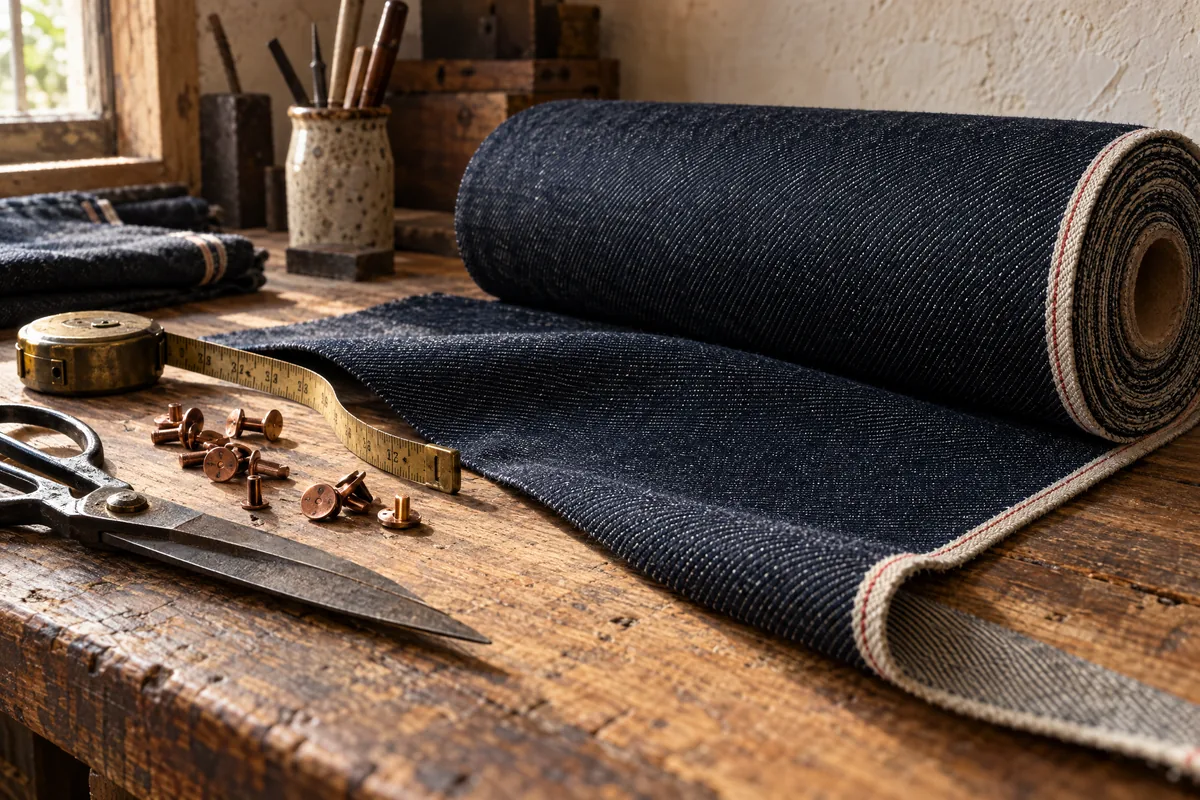
The most useful takeaway is that a trend is not an instruction. Consider it an invitation to explore a silhouette or styling direction, then decide whether it belongs alongside your essentials from our jeans and denim collection or in a more occasional part of your closet.
- Introduction: A new silhouette or styling idea appears in a limited, fashion-forward setting.
- Early adoption: Style leaders translate the idea into wearable outfits and create visible momentum.
- Peak popularity: The look becomes widely available and easy to recognize in everyday dressing.
- Saturation: Repetition makes the trend feel less surprising, prompting a search for something different.
- Revival: After enough distance, selected elements return with updated proportions, fabrics, or styling.
How Trends Start: Culture, Practical Needs, and New Ideas
When people ask how trends start, the answer is rarely a single source. Fashion responds to what people are doing, watching, celebrating, and needing in daily life. Shifts in work routines, music, art, nightlife, travel, weather, and digital culture can all make one kind of clothing feel more relevant than another.
Practicality matters as much as image. When comfort becomes a priority, roomier shapes and easy layers often gain ground. When people are ready to dress up again, sharper tailoring, polished dresses, or more expressive accessories can feel especially appealing. The strongest fashion trend cycles usually connect an emotional mood with a real wardrobe need.
Creative people also make trends visible by mixing references in unexpected ways. A vintage-inspired detail can look current when paired with clean basics, and a classic item can take on new energy through color, texture, or proportion. This is why it is often smarter to watch how an idea is being styled than to focus only on the item itself.
For a practical starting point, browse new arrivals with a question in mind: what is genuinely new here, and what is a familiar staple being presented in a fresh way? That distinction makes it easier to identify a passing novelty versus a piece you can keep reaching for.
The 20 Year Fashion Cycle: Useful Rule, Not a Deadline
The 20 year fashion cycle is one of the most quoted ideas in style history. It suggests that looks often return roughly two decades after their original peak, when they feel nostalgic to one group and newly interesting to another. That timeline can be helpful, but it is not a calendar rule that fashion follows precisely.
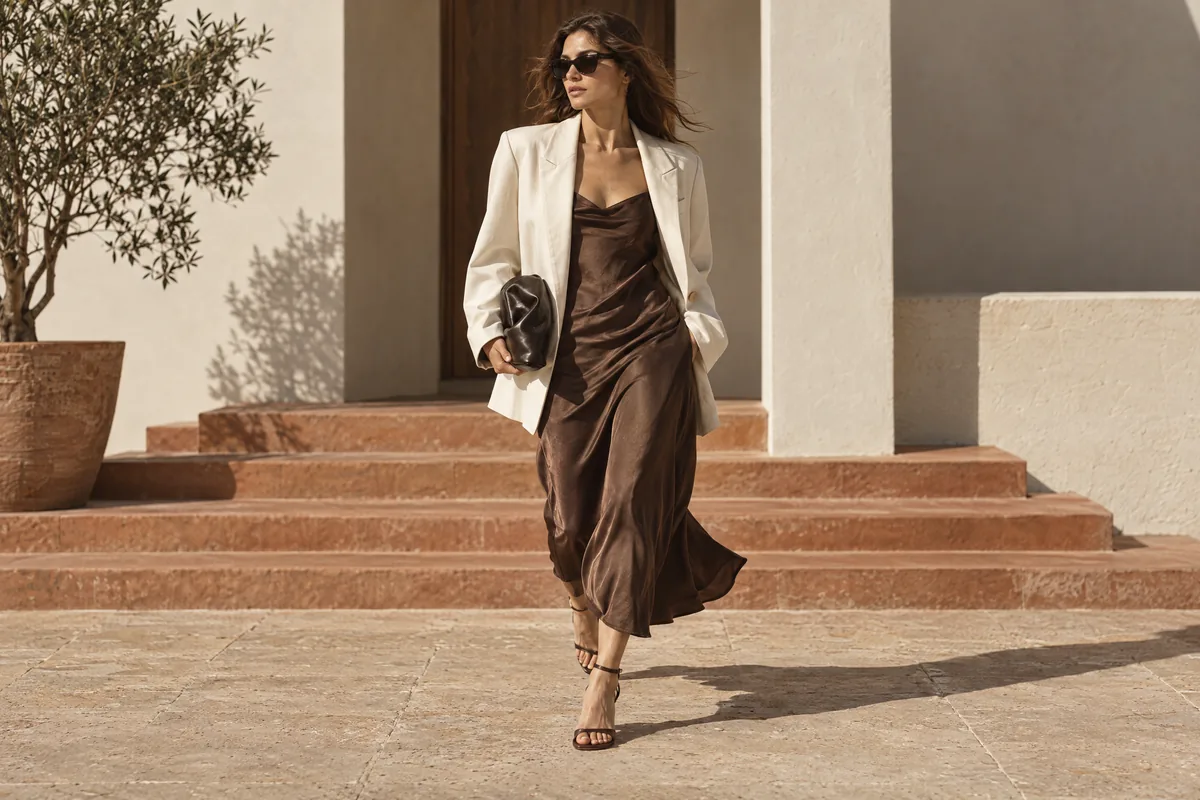
Some ideas resurface sooner because they are easy to wear or because images from a previous era become newly visible online. Others take longer because their original construction, styling, or cultural context needs more distance before it can be reimagined. Fashion trend cycles overlap, so a 1970s-inspired boot, a 1990s-style slip dress, and a 2000s denim detail can all coexist.
What returns most often is not a complete head-to-toe uniform. It is a specific ingredient: a low-slung waist, a square toe, a soft floral, a cropped jacket, or a particular kind of wash. Wearing one or two references at a time keeps the result intentional rather than costume-like.
If you are drawn to a revival, begin with a piece that works with what you own. A shape from our dress collection, for example, can nod to a past decade while still feeling entirely right for a current dinner, event, or weekend plan.
- Use the 20-year idea as a lens for spotting references, not as a reason to buy every revival.
- Choose one era-influenced item and balance it with simple, current staples.
- Focus on fit first, since the right proportion matters more than an exact historical detail.
- Try an accessory or shoe before committing to a dramatic silhouette change.
- Keep pieces that flatter your lifestyle, even after the trend conversation moves on.
Fashion Trend Cycles and the Difference Between Trendy and Timeless
A timeless piece is not necessarily invisible or plain. It is a garment you can style repeatedly because its fit, function, and design continue to make sense for you. A trend-led piece may have a shorter peak, but it can still be a worthwhile addition when it brings joy, solves a styling gap, or gives your basics a needed spark.
The healthiest wardrobe contains both. Build your foundation with dependable shapes you enjoy wearing, then use fashion trend cycles to add selective updates. A new proportion in trousers, an interesting neckline, or an unexpected color can make familiar outfits feel current without requiring a total reset.
Pay attention to cost per wear in the practical sense, even without doing formal math. Ask where you will wear the item, what you will pair it with, and whether it works across more than one season. If you can picture three outfits immediately, it is more likely to earn its place.
A versatile pair from our pants and trousers collection can anchor a more directional top, while a simple jacket from our outerwear collection can give a seasonal dress a longer life. That balance is how style stays personal while fashion trend cycles continue to turn.
Trend Forecasting Explained: What to Watch Before a Look Peaks
Trend forecasting explained simply is the practice of noticing signals that may shape future demand. It combines observation, cultural research, retail behavior, color direction, fabric development, and consumer habits. Good forecasting does not claim to predict every outfit someone will wear; it identifies patterns that are beginning to gather strength.
For everyday shoppers, the most useful signals are often repeated styling details. You may see the same shoe shape in multiple outfits, a rise in lightweight layers, a move toward a certain color family, or a renewed preference for a particular hemline. One isolated image is not a trend, but recurring ideas across different settings can be meaningful.
This perspective makes fashion trend cycles less intimidating. Rather than asking whether you are early or late, ask whether the direction aligns with your wardrobe. A trend that is just beginning may be a great time to try a subtle version, because you can learn what feels right before it becomes ubiquitous.
Use trend information as a filter, not a command. If a forecasted look does not suit your routine, skip it. If it gives you language for something you already love—such as texture, softness, tailoring, or ease—use it to refine your next choice.
- Track repeated silhouettes over several weeks instead of reacting to a single viral outfit.
- Notice styling shifts, such as longer layers or more relaxed proportions, before replacing core pieces.
- Test a trend through a small detail, like a belt, bag, shoe, or jewelry choice.
- Save outfit ideas that resemble your real life, not only images that look good on a screen.
- Review your closet before shopping to identify the one piece that would create the most new outfits.
How to Wear Fashion Trend Cycles in Your Own Way
The best way to participate in fashion trend cycles is to start with your point of view. Think about the colors you wear often, the shapes that make you feel most like yourself, and the occasions your clothes need to cover. Then choose a trend detail that supports those preferences rather than competes with them.
Try the one-in, one-grounding-piece approach. If you are wearing a statement top, pair it with straightforward denim or trousers. If you choose a bolder skirt shape, keep the rest of the outfit clean and comfortable. This gives a trend room to shine while making the overall look feel effortless.
Accessories are especially useful for testing a direction without changing your whole wardrobe. A sculptural earring, textured bag, or updated shoe can shift the mood of clothes you already own. Explore our accessories collection when you want to experiment with a new influence in a lower-commitment way.
Finally, give yourself permission to opt out. Not every chapter of fashion trend cycles will speak to you, and that is part of having personal style. The most memorable wardrobes are built through thoughtful editing, repeat wear, and confidence—not by trying to look like every trend at once.
Where to go from here
Fashion trend cycles are a helpful way to understand why certain looks return, but they should never replace your own judgment. The 20 year fashion cycle, cultural shifts, and trend forecasting can offer useful context; your lifestyle and taste should make the final call.
Choose pieces that make getting dressed easier, more expressive, and more enjoyable. When you treat trends as ideas to interpret instead of rules to follow, you can build a wardrobe that feels current today and still feels like you tomorrow.