When the forecast turns sticky, linen vs cotton becomes more than a fabric question—it shapes how comfortable, polished, and prepared you feel all day. Both are breathable natural fabrics with a rightful place in a warm-weather wardrobe, but they perform differently once the sun is high and your plans run long.
Linen brings an airy texture and relaxed elegance, while cotton offers familiar softness and dependable versatility. The best choice is not always one or the other; it depends on whether you prioritize airflow, a smooth finish, easy care, or a particular silhouette. Use this guide to make a confident linen vs cotton decision for real summer dressing.
How Linen vs Cotton Behaves in Summer Heat
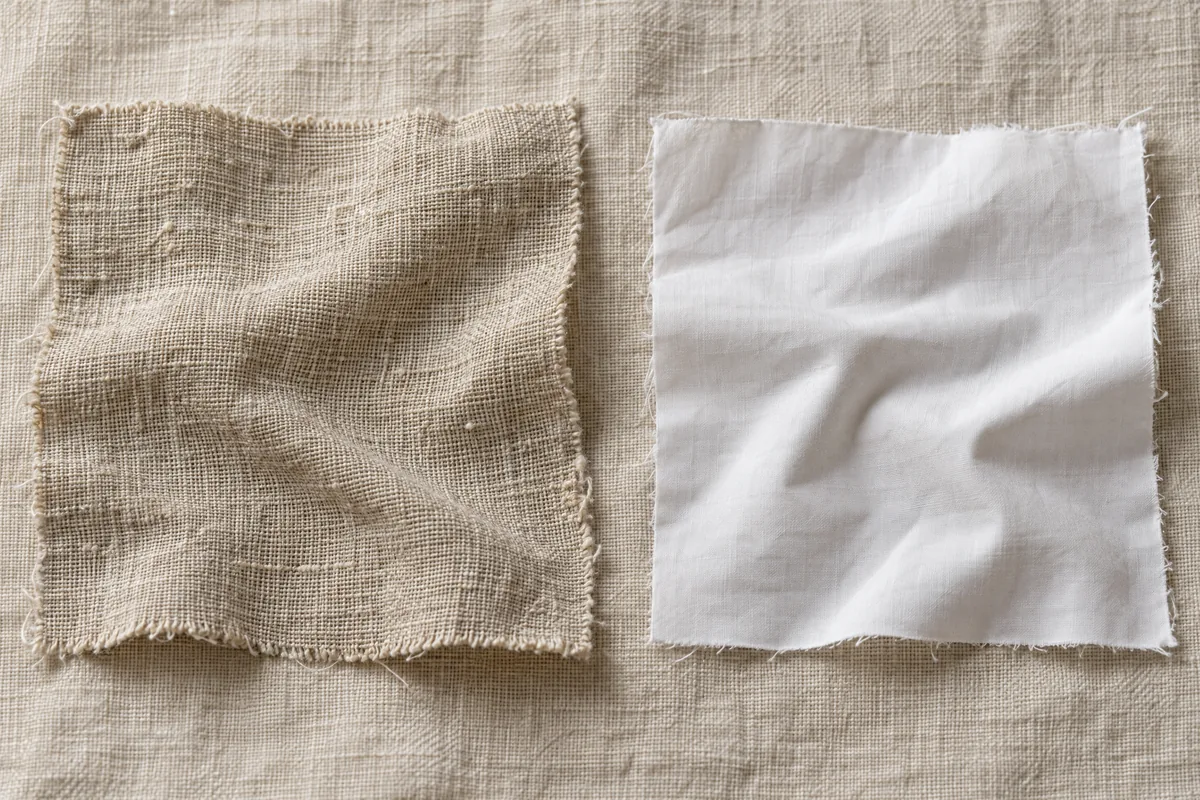
The biggest difference in linen vs cotton starts with the fibers themselves. Linen is made from flax and is known for its crisp hand, visible texture, and open, airy feel. Cotton comes from the cotton plant and can be woven or knit into everything from lightweight poplin to soft jersey, so its summer performance varies more from garment to garment.
In hot, humid conditions, linen often feels cooler because it lets air move freely around the body and does not cling as readily when damp. It absorbs moisture, then releases it relatively quickly, which can make it especially appealing for outdoor lunches, travel days, and sunny afternoons around St. Petersburg.
Cotton is also breathable, particularly in lightweight, loosely woven styles. It tends to feel softer against the skin right away, but it can hold onto moisture longer than linen. In the linen vs cotton comparison, that means cotton may feel wonderfully comfortable in dry heat, while linen often has the edge when humidity enters the picture.
- Choose lightweight linen when you expect heat, humidity, and plenty of time outdoors.
- Choose cotton poplin or gauze when you want a breathable fabric with a cleaner, smoother surface.
- Skip heavy denim, thick twill, and dense knits when your goal is maximum airflow.
- Look for relaxed cuts in either fabric, since room between the garment and skin improves ventilation.
- Treat fabric weight as seriously as fiber content; a lightweight cotton can feel cooler than a heavy linen blend.
Linen vs Cotton: Breathability, Moisture, and Feel
For pure airflow, linen is frequently the front-runner in linen vs cotton. Its natural texture creates subtle space within the fabric, giving breezes somewhere to go. That dry, slightly textured sensation is part of linen’s appeal, especially when you want clothing that looks intentionally relaxed instead of overly precious.
Cotton wins many people over with its softness. A fine cotton tee, airy cotton blouse, or smooth cotton sundress can feel gentle and easy from the first wear. Because cotton comes in so many constructions, it is easier to find a version that suits your preferred feel—crisp, silky, brushed, stretchy, or casual.
Color matters, too. Pale shades reflect more sunlight and make either fabric a smarter choice for daytime wear. If you love saturated colors or darker neutrals, favor a loose shape and a lighter-weight fabric to balance the warmth they can absorb.
Neither fiber needs to be treated as a universal winner. The best summer fabric is the one that fits your climate, activity, and tolerance for texture. If you dislike a slightly nubby hand, cotton may be your everyday favorite; if you value breezy ease, linen may earn more closet space.
- Wear linen for open-air events, long walks, and warm travel days when humidity is likely.
- Reach for cotton when you want a soft layer for errands, work, or casual evenings.
- Use a lightweight cotton camisole or tee beneath a sheer linen layer if you prefer more coverage.
- Choose lighter colors and relaxed fits when building outfits around breathable natural fabrics.
- Try both fabrics in person, because weave, weight, and cut affect comfort as much as the fiber label.
Wrinkles, Durability, and Linen Clothing Care
Wrinkles are the most visible deciding factor in linen vs cotton. Linen creases easily, and that is not a flaw to solve so much as a quality to style around. A few soft wrinkles communicate ease and movement, especially in a fluid dress or wide-leg trouser; sharp, heavily creased folds can be refreshed with steam before you head out.
Cotton generally holds a smoother appearance, though it can wrinkle, too. Cotton poplin may need a quick press, while jersey and gauze are more forgiving. If your day includes meetings, seated travel, or an occasion where you want a freshly pressed look from morning to evening, cotton can be the lower-maintenance choice.
Thoughtful linen clothing care helps your pieces stay beautiful. Check the garment label first, then wash gently in cool or lukewarm water when appropriate, use a mild detergent, and avoid crowding the machine. Air-drying preserves the fiber’s character, while a warm iron or steamer works best when linen is still slightly damp.
Durability is also about rotation and storage. Linen fibers can become softer over time, but they appreciate gentle handling at stress points. Cotton is sturdy and easy to live in, yet repeated high heat can fade color and wear down fibers, so moderate washing and drying habits benefit both.
- Steam linen instead of chasing a perfectly flat finish, especially for casual daytime outfits.
- Iron linen while it is slightly damp for a smoother result with less effort.
- Wash light and dark colors separately to help preserve the look of both linen and cotton.
- Avoid overfilling the washer, which can leave deeper creases in linen garments.
- Hang woven shirts, dresses, and trousers after wearing so they can air out before laundry day.
Choosing Linen vs Cotton for Dresses, Tops, and Pants
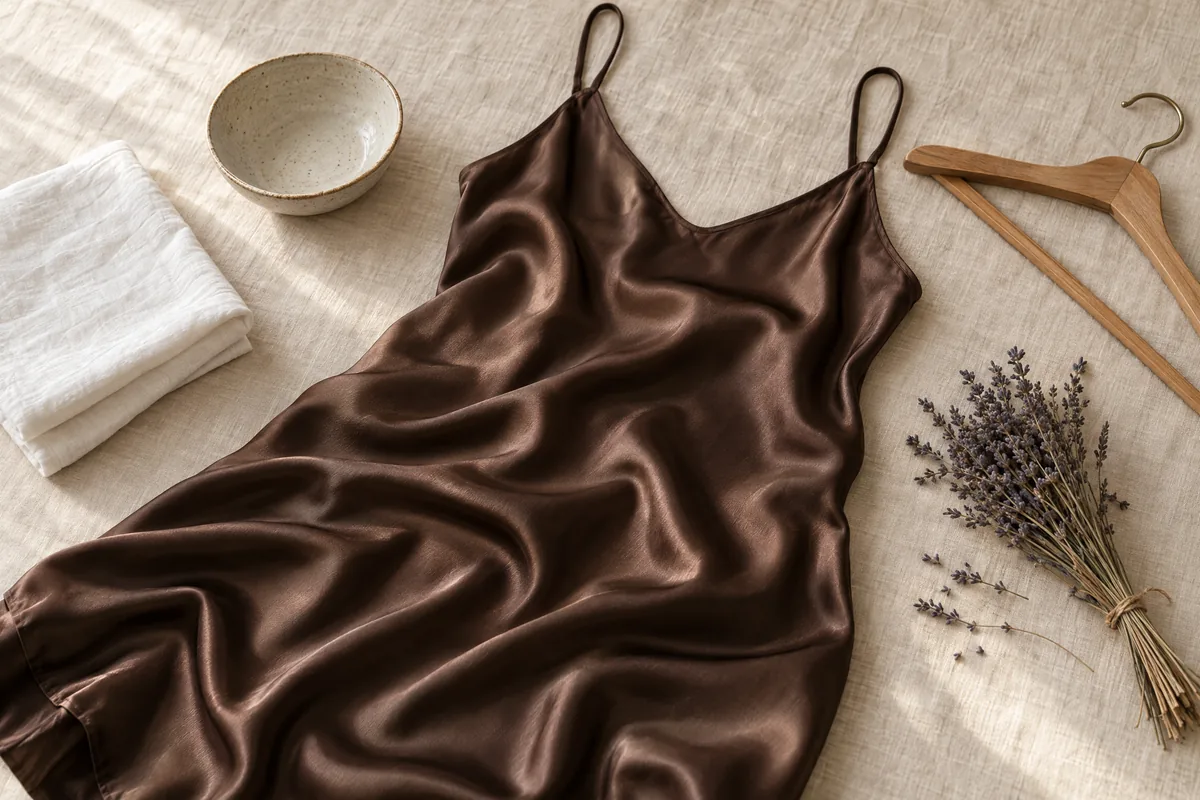
The right linen vs cotton choice changes with the garment. Linen is particularly strong in silhouettes that benefit from drape, movement, and a little breathing room: shirt dresses, pull-on pants, relaxed button-downs, and matching sets. Explore our dress collection when you want an easy one-piece starting point for warm-weather plans.
Cotton is exceptionally adaptable for everyday building blocks. A crisp cotton blouse can sharpen a casual outfit, while a soft cotton tee gives skirts, trousers, and shorts an effortless foundation. For versatile layers that can move from a morning appointment to dinner, browse Tops & Blouses with fabric weight and sleeve shape in mind.
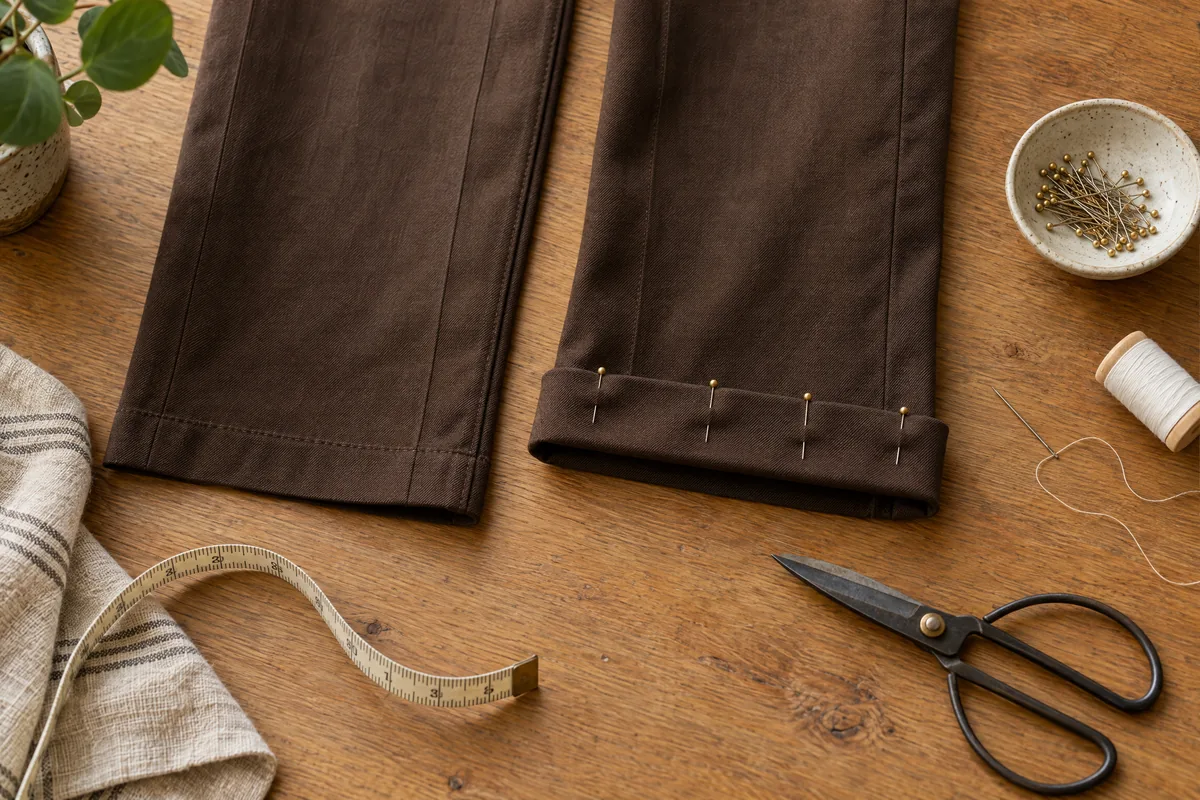
For bottoms, consider where the fabric will fold and how long you will be sitting. Linen pants deliver a breezy, elongated look but will crease through the knee and hip; that is part of their relaxed character. Cotton trousers can keep a more tailored line, and our pants and trousers offer a useful place to compare silhouettes for your routine.
Shorts make the linen vs cotton question wonderfully simple. Linen shorts often feel polished enough for a café or casual gathering, while cotton shorts can be a reliable grab-and-go option for weekends. See our shorts collection for warm-day proportions that work with sandals, sneakers, or a low heel.
How to Shop Linen vs Cotton for a Florida Summer
Florida summer dressing asks more of fabric than a quick glance in the mirror can reveal. In a linen vs cotton decision, read the content label, then feel the garment against your wrist or neck—areas that quickly notice scratchiness, stiffness, or excess warmth. Hold the fabric toward light as well, since opacity tells you whether you may want a slip, lining, or layering piece.
Pay attention to the cut. A sleeveless cotton dress with a loose skirt can outperform a fitted linen shirt in terms of comfort simply because the shape allows more air circulation. Likewise, a boxy linen top may become a favorite even if you usually choose cotton, because its ease makes the fiber work harder for you.
Build a small rotation instead of asking one fabric to cover every occasion. A few linen pieces can handle the hottest, most humid days, while cotton supplies soft basics and more structured looks. For coordinated, low-effort dressing, consider jumpsuits and sets that create a complete outfit without extra layers.
Finish with footwear and accessories that keep the outfit feeling light. An airy fabric loses some of its summer advantage when paired with heavy layers or cumbersome extras. Browse our accessories for finishing touches that let a simple linen or cotton look feel personal rather than plain.
- Check whether a light-colored garment is lined before choosing it for a full day out.
- Size for ease rather than a close fit when heat and humidity are part of the plan.
- Pack a linen overshirt for sun coverage, then wear it open when you need more airflow.
- Choose cotton for a polished base layer when you know you will remove an outer piece later.
- Keep a compact steamer at home or use shower steam to soften linen creases before leaving.
The Best Summer Fabric Depends on Your Day
So, who wins linen vs cotton? Linen is the standout when your priority is maximum airy comfort, a textured look, and a naturally relaxed silhouette. It is an excellent answer for humid afternoons, resort-minded dressing, and occasions when a few wrinkles only add to the charm.
Cotton wins when softness, familiar care, and a smoother finish matter most. It offers enormous range, from simple tees to refined shirting, and it can serve almost every corner of a summer wardrobe. For many closets, the best summer fabric is not a single fiber but a thoughtful mix of both.
Let your schedule decide. Choose linen when the day is outdoors and unhurried; choose cotton when you want softness or a crisper presentation; and choose either when the weight, fit, and construction feel right. That practical approach makes linen vs cotton less of a debate and more of a useful styling tool.
Where to go from here
Linen vs cotton does not require a permanent verdict. Keep linen close for breezy, high-heat days and cotton on hand for soft, versatile everyday dressing, then let comfort and confidence guide the final choice.
If you would like to feel summer-friendly fabrics before deciding, visit Pieces of a Dream at 2448 Central Ave, St Petersburg, FL 33712, or explore the latest new arrivals online. A well-chosen fabric makes getting dressed in the heat feel simpler from the start.